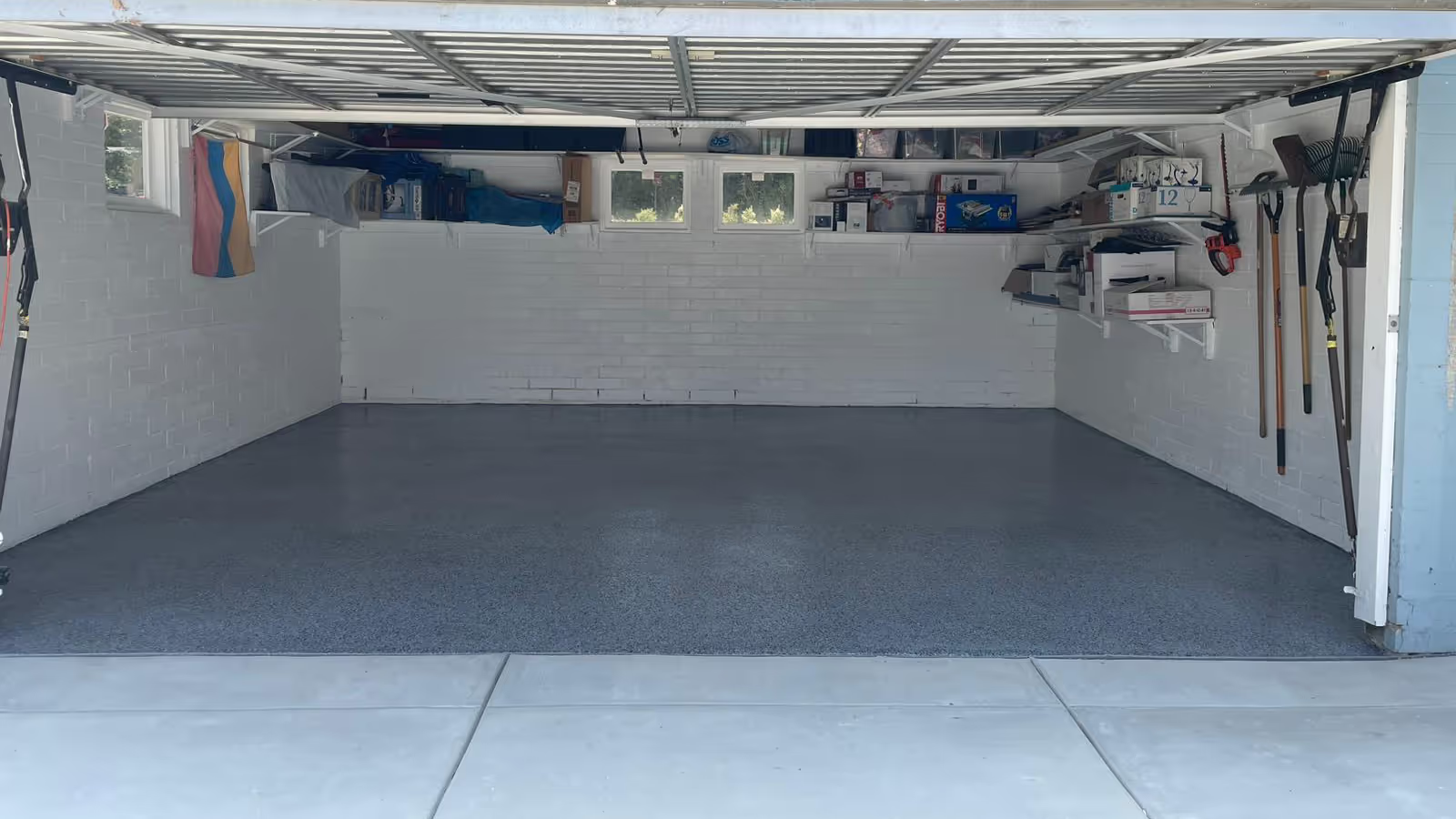
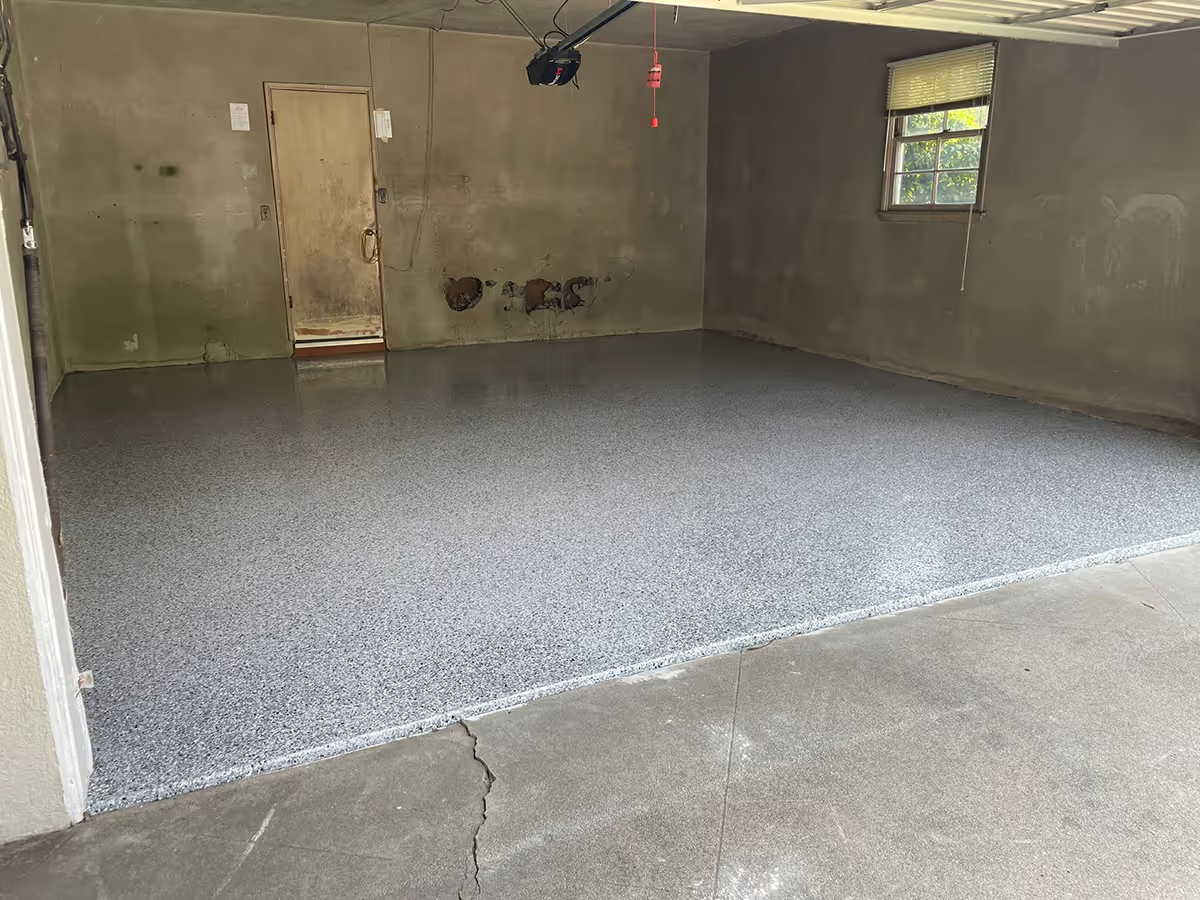
Nearly every interior slab we coat has been living under something. Tile, carpet, laminate or vinyl comes up first, and it is the adhesive left behind rather than the covering itself that sets how long preparation runs. The concrete is then ground until it is open and clean, done with vacuum extraction because the room is part of a building somebody is using. Cracks and tired old patches are cut out and filled flat. Where the slab reads damp from below, an epoxy vapor barrier is laid over the ground concrete before anything else, since a floor put down over moving moisture will lift however well it was specified.
After that the floor itself is three passes. A pigmented base coat is worked into the open concrete, epoxy or polyaspartic depending on how quickly the room has to be usable again. The color or the flake goes in while that coat is wet, and a clear polyaspartic seal goes over the top and does the wearing from then on. Interiors are usually run room by room so the building stays partly in use, and the floor will take footfall the same evening and furniture a good while afterwards. Polyaspartic shortens both of those waits, which is why it gets specified in a working office far more often than in a spare room.
The base and the seal do not change from room to room. The pass in between does, and it is the one worth thinking about, because it is the part you end up living with. The chips and tones are much easier to settle in front of a sample than on a screen.
Chips broadcast into the wet epoxy base coat give a lightly textured floor that hides a great deal. In a laundry, a hallway, a home gym or a shop floor that is precisely what is wanted, because grit, dust and scuffing stop being visible events. The blend does the kindest job on concrete that has been patched, since the pattern is busier than anything under it. Out through the connecting door the specification changes again, because a garage floor carries a car rather than a chair.
A single tone reads as a finished surface rather than a treated one, and it is the pick for a room meant to look deliberate: a studio, a showroom, a clinic. It is the least forgiving of the three, because a flat epoxy color shows a ripple or a repair that a flake blend would swallow whole. On a sound, well prepared slab it is also the most striking of them. It is least forgiving at a boundary, and a Ventura room shows what that costs, since almost no wall runs true enough to guide the cut.
Metallic pigment moves inside the epoxy as it is laid, so the finished floor is one of a kind and cannot be previewed exactly. That makes it the wrong call for a utility room and the right one for a space where the floor is meant to be part of the design. It goes into entrances, bars, studios and the occasional living room, and it wants a slab in good order beneath it.
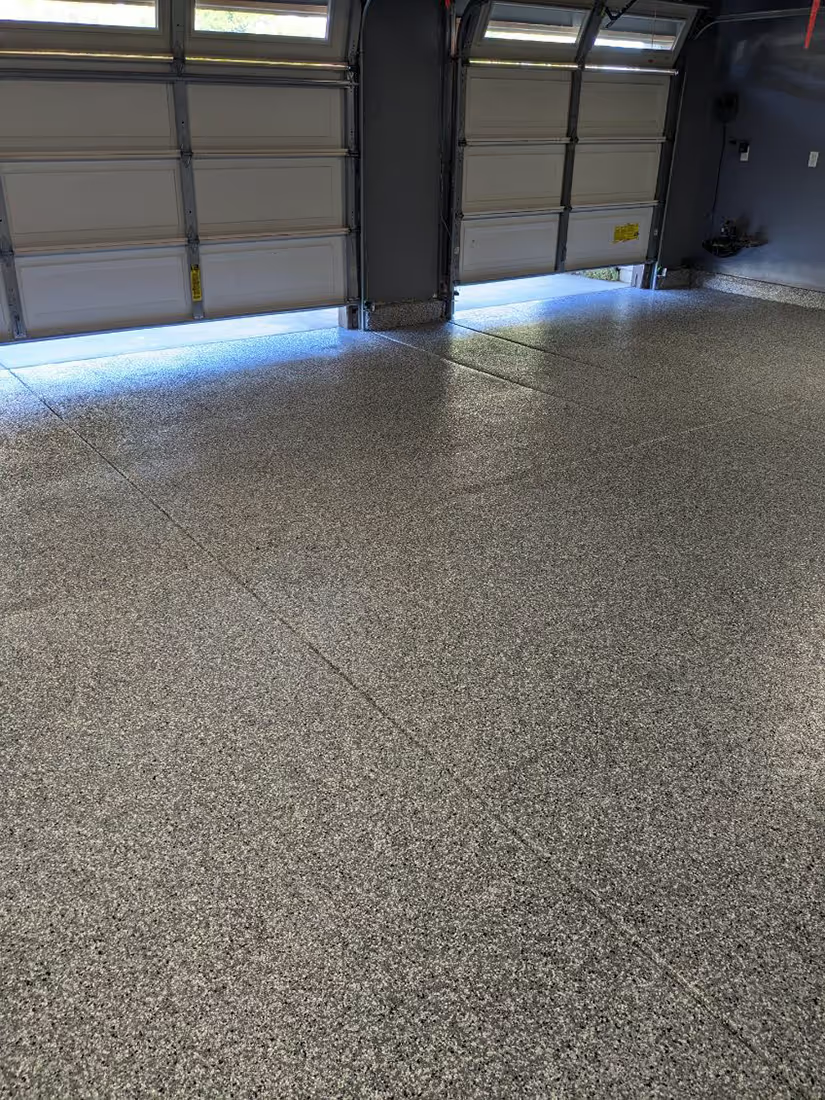
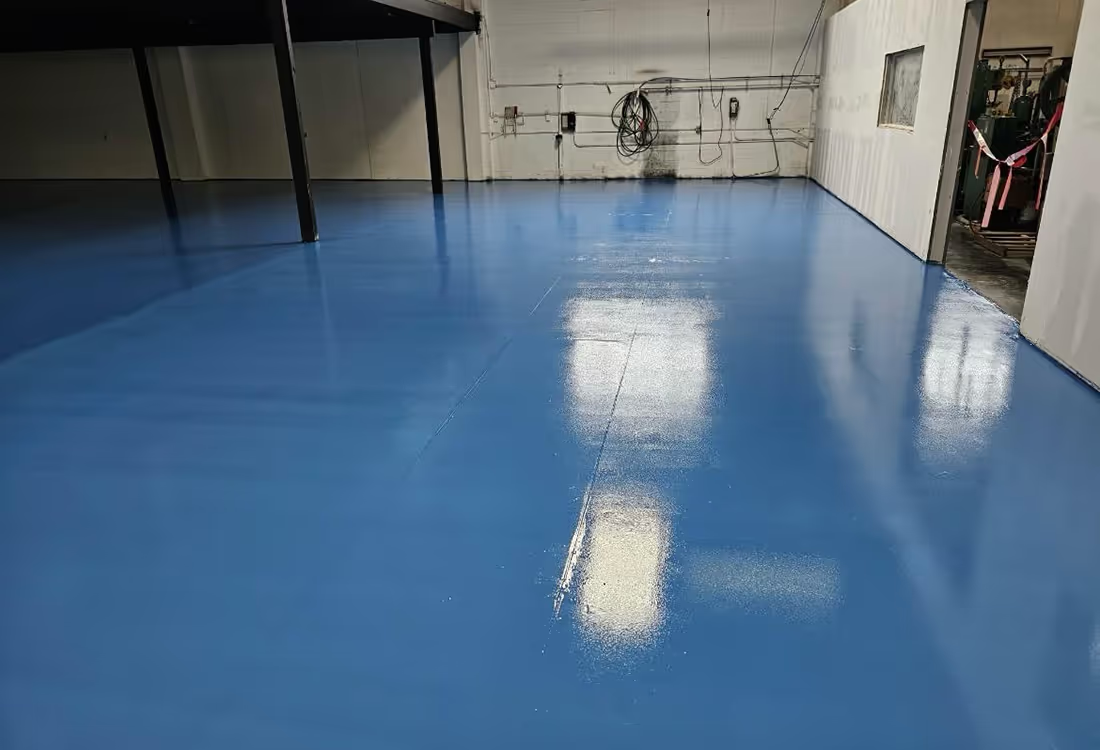
Three things carry the number, and the concrete decides two of them before anybody talks about color: what is on the slab now, what has to go on it, and whether coating is even the right answer for that room.
Area gives the opening figure, but interior work is never priced on area alone. Rooms mean doorways, corners and edges, so a run of small rooms costs more to finish than one open space of the same size. What is coming up counts for just as much: a slab under a single sheet of vinyl is quick, one under tile bedded in thickset mortar is anything but. And where a floor has genuinely settled rather than merely worn, bringing it back to level is separate work that happens before any epoxy appears.
Epoxy underneath with a polyaspartic seal on top is the usual specification, and the least expensive way to a finished floor. Going polyaspartic throughout costs more and hands the room back sooner, which is the whole argument for it in a business that cannot shut for a week. Metallic epoxy is the dearest of the three to lay, because the pattern is worked by hand and hurrying it shows.
Some rooms are better served by something other than a coating, and it is cheaper to hear that early. A sound, flat slab that is already clean can be polished and sealed instead, which costs less and has nothing on it to chip. A room built over a wooden subfloor is not a candidate at all, because epoxy wants concrete under it. And concrete pushing moisture upward has to be resolved before anything goes down, or the floor will lift and the material will get the blame.
With those three settled, an interior epoxy floor in Thousand Oaks generally works out between $5 and $7 per square foot, and most single rooms are a day on site. We hold a 5.0 rating from 120+ reviews and are normally a couple of weeks out. Give us the room sizes and a picture of what is down there now, or call (818) 359-3932, and you will get a figure rather than a guess.
GET A FREE Estimate
Please give us a call or fill in our contact form to receive more information about our flooring services.
For instant reply you can call us, text us, or connect with us on social media.

