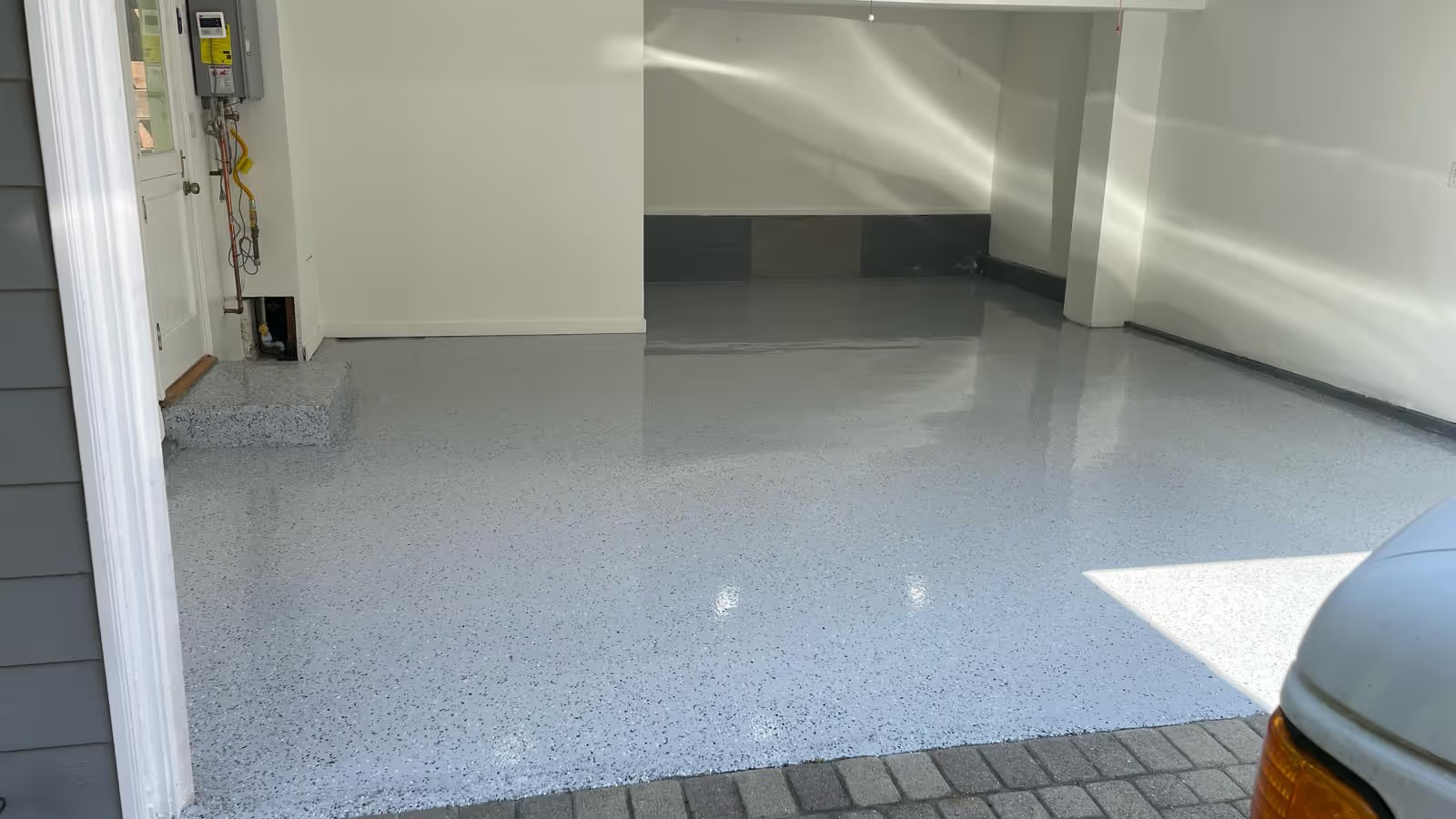
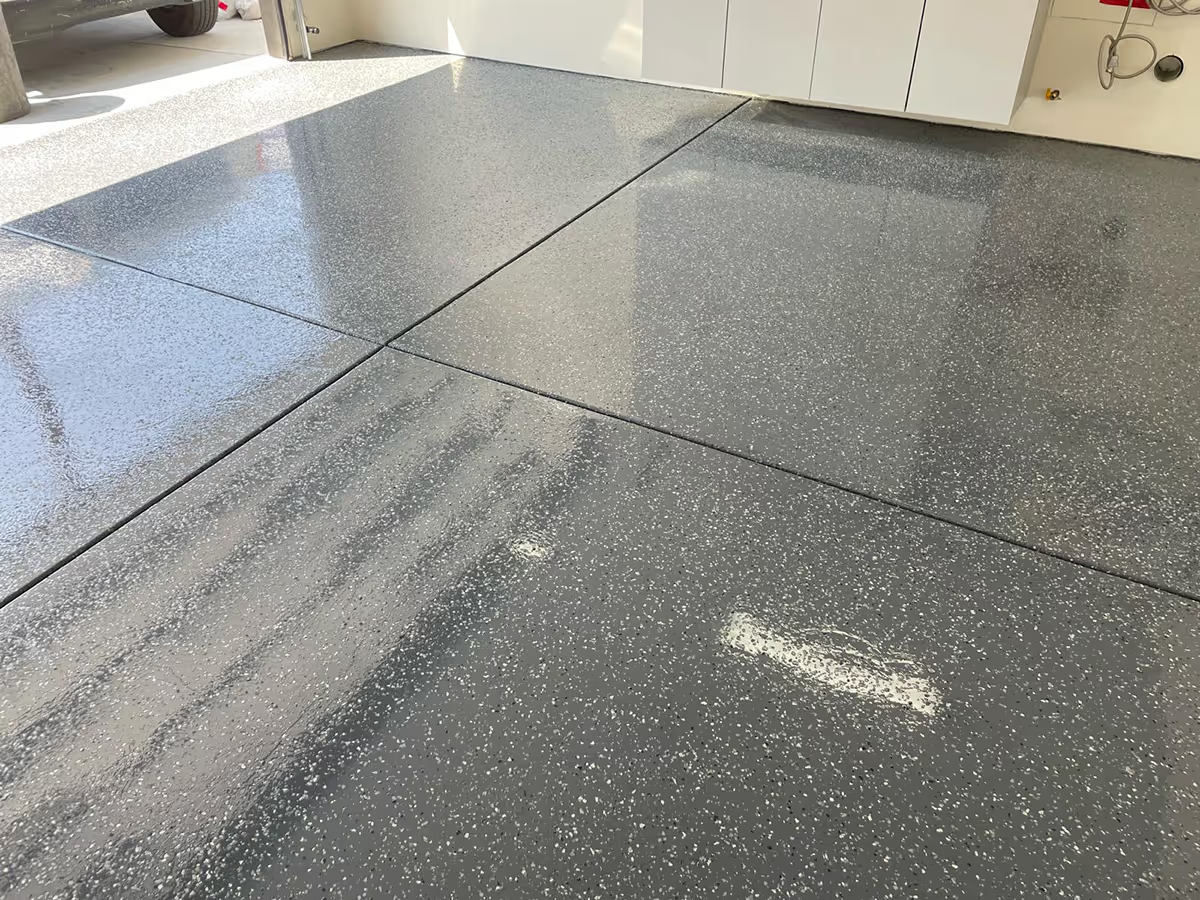
Concrete rarely needs replacing. What gives out is whatever was put on it. A slab that has been lived on has generally carried one covering after another, and each left something behind: adhesive where sheet vinyl or tile was bedded down, tack and staple marks around the edges where carpet was fixed, paint driven into the pores by a roller. None of that is damage to the slab. It is a record of what has been down there, and it is why preparation takes longer than laying the epoxy does. Two findings change the answer. Where the concrete has dropped rather than simply worn, it is a leveling job first and a coating job second. Where it is flat, sound and clean, there is an argument for grinding and polishing the slab itself instead.
Which of the two materials goes on top is the second question, and it decides more than the color does. Epoxy builds thicker, costs less to lay and belongs indoors, because ultraviolet light ambers it over time and a door left open through the afternoon is enough to begin that. Polyaspartic gives up a little of that thickness and buys back time and color: it takes traffic again long before an epoxy floor would, and it holds its shade where the sun reaches it. Most floors we lay in Glendale finish under a polyaspartic seal for those two reasons, whatever the base coat below it was. The case for polyaspartic over epoxy indoors comes down to those two things and very little else.
The floor itself is three passes. A pigmented base coat is worked into the open concrete, epoxy where the schedule allows it and polyaspartic where it does not. The flake is thrown into that coat while it is still wet, so the chips key into the resin rather than sit on the surface. A clear polyaspartic seal coat goes over the top and takes the wear from then on. The build does not change from one room to the next, whether it is a kitchen, a hallway, a workshop or a laundry. What changes is how heavy each pass is, and what goes into the middle one.
That middle pass is the decision. Epoxy flake leaves a textured surface that takes dust and marks without showing them, and gives grip underfoot. A solid color epoxy reads cleaner and shows more, and a medium gray is where most people land. Metallic epoxy carries its pigment in the resin itself, so no two floors come out the same. All three finish sealed to the edges, so there is nothing for dirt to sit in and a sweep and a mop is the whole of looking after it. A garage is the same three passes built heavier, which is what a garage floor in Glendale needs on top of this. The blends and solid tones are worth seeing in daylight before anything is ordered.
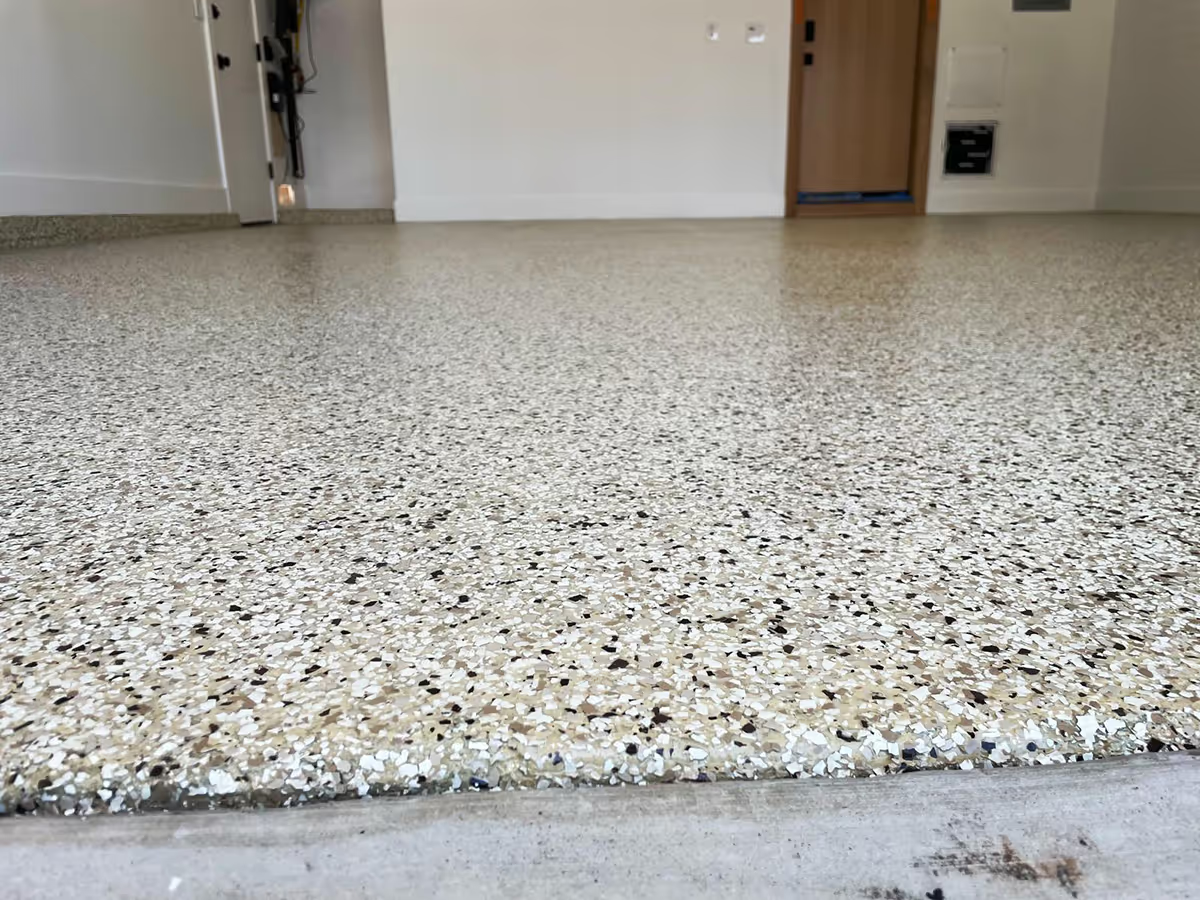

The order does not change, only how long each part of it takes. We look at what is on the floor and establish what it is, grind it back to open concrete, cut out and fill whatever the grinder exposes, prime it, lay the color or the flake, seal over that, and then leave it alone. Old adhesive is the part that most often decides the length of the day, because it has to come off entirely rather than mostly. You get the floor back for footfall first and for furniture a good while after that, and rushing either end of it is how a new floor collects its first mark. A Mount Washington lower level adds a step at the front, because concrete held against a hillside is read for moisture before anything is primed.
What moves the number is short, and nearly all of it is settled on the concrete: how big the floor is, how many coverings have already been down, how much of the surface has to be rebuilt once they are off, and whether epoxy or polyaspartic goes over the top. Most floors we quote in Glendale land between $5 and $7 per square foot once those are known. Epoxy Surface Professionals hold a 5.0 rating from 120+ reviews, and we are normally booking a couple of weeks out. Tell us what is on the floor now and roughly how old it is, call (818) 359-3932 or fill in the quote form, and we will put a figure to it.
GET A FREE Estimate
Please give us a call or fill in our contact form to receive more information about our flooring services.
For instant reply you can call us, text us, or connect with us on social media.

