Out of level and uneven are two different faults and they take different fixes. A floor can fall steadily from one side of a room to the other and still be flat everywhere along the way. Another can sit level overall and be full of hollows and high spots. We check for both with a straightedge laid across the slab in several directions: the gap under it gives the depth of the worst hollow, and a level run corner to corner gives how far the floor drops across the room. Those two numbers decide the method, the material and most of the cost.
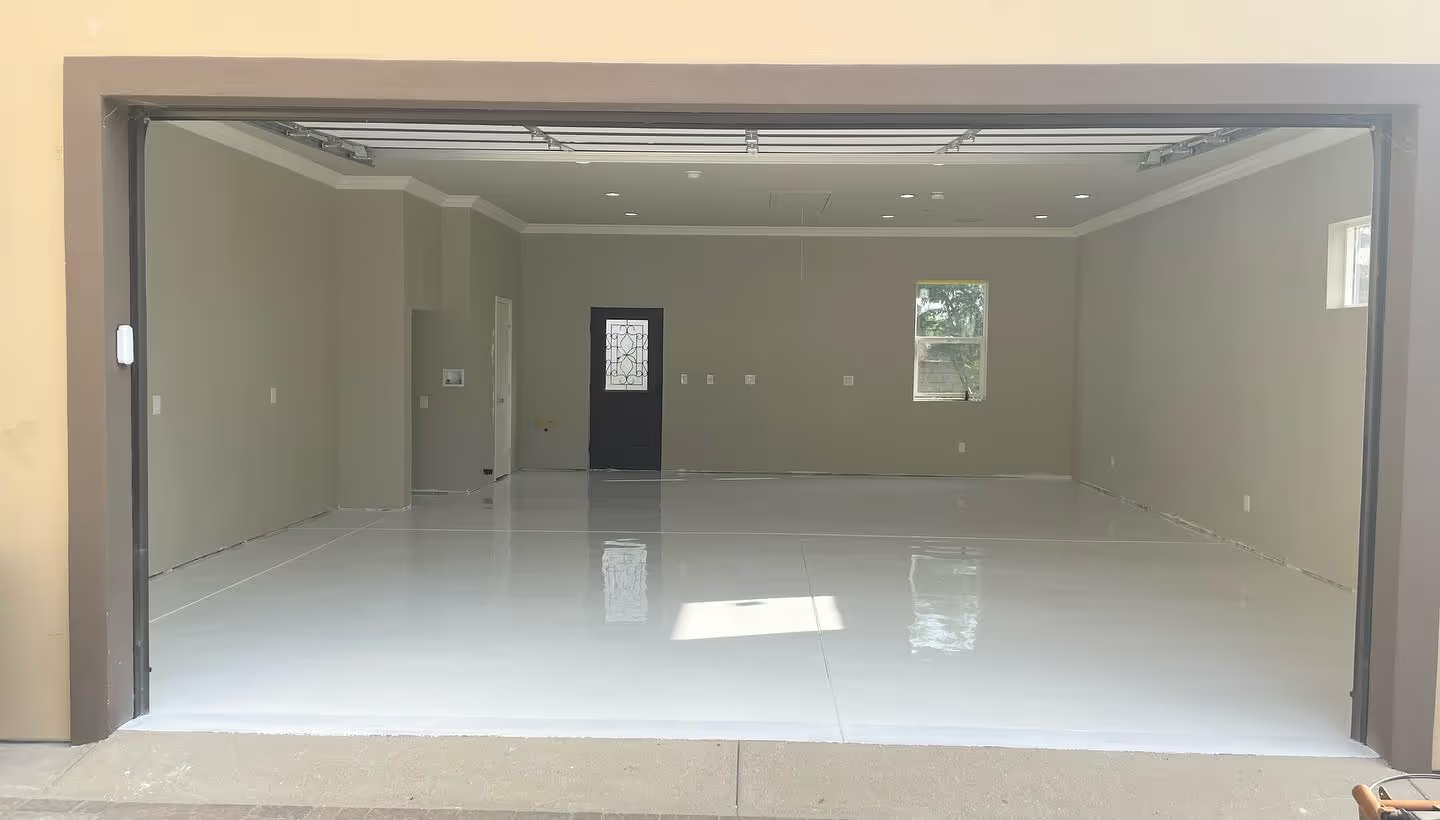
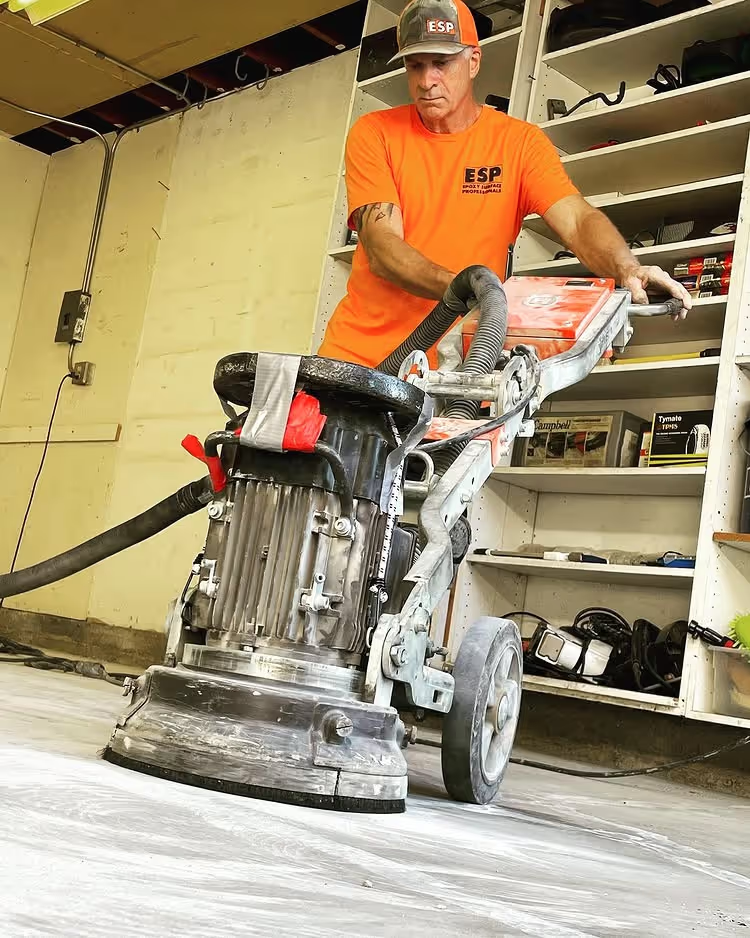
There are three ways to correct a slab. Grinding takes material off the high spots, which suits a floor close to flat but carrying ridges, trowel marks or an old adhesive line standing proud. Patching fills local damage: cracks, divots, spalled edges and the holes left where something was bolted down. A self-leveling compound is poured over the whole area and finds its own level as it spreads, which is what a floor with a real fall needs, because no amount of grinding will lift a low corner. Most floors want two of the three. We grind first, patch whatever the grinder exposes, and pour only if the room still reads out once the surface is sound. Patching comes first under a resin floor as well. On a two-car garage in La Cañada Flintridge we repaired the damaged concrete at the front of the slab before the polyaspartic base coat went down, and the floor was finished in seven hours.
A leveling job runs in one order, and the curing sets the timetable rather than the labor. We clear the room, then grind the floor back to sound concrete so anything we pour or patch has something to key into. Patching goes in next and has to harden before it can be ground flat, which is usually the longest wait of the day. If a compound is going down, the slab is primed, the room is checked for anywhere a wet pour could escape, and the mix goes out in one continuous run so it knits into itself instead of setting in bands. After that it is left alone. Walking on it is normally fine by the same evening, and a covering can follow once the compound has dried through. Grinding back to bare concrete is the same opening move on our own floors. A 1,000 square foot warehouse floor in Huntington Beach was left uneven after the client rearranged the space and filled in old concrete, so we ground it back before two coats of polyaspartic went over it, and the job took nine hours.
A resin floor is the least forgiving covering you can put on a slab, which is why leveling matters most when a coating is what follows. Tile sits on a bed that absorbs a small dip and board and vinyl float over minor movement, but a coating is thin and follows the concrete under it exactly. Every hollow and every trowel ridge is still there when the work is done, only now it is glossy and catches the light. So when we quote a floor for coating we say plainly whether it wants leveling first, because correcting a slab beforehand costs far less than living with it after. We apply that test to our flooring work in Flintridge the same as anywhere else in Los Angeles County. If the slab is out, it gets put right before anything is coated over it.
We get hired two ways. Homeowners come to us directly, usually because a floor is visibly out and a new covering is about to go down over it. The rest comes from other trades: flooring installers, tile setters and general contractors who need a slab brought into tolerance before their own material goes on, and would rather hand that part to somebody who does it every week. We level plenty of floors we are never going to coat ourselves, and we are glad to take that work on its own.
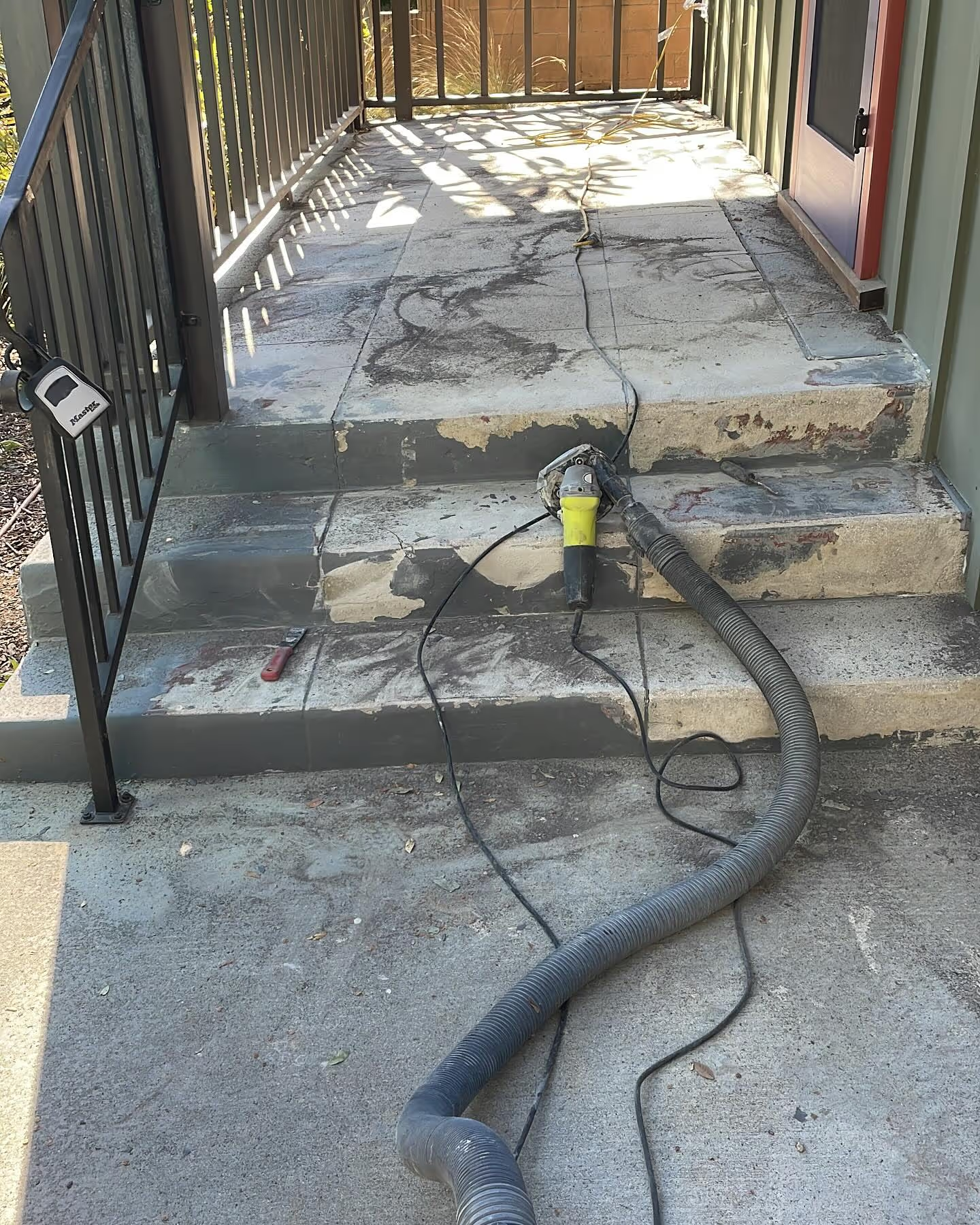
Four things move the number. The first is area, because both the grinding and the compound scale with it. The second is how far out the floor is, since a shallow correction uses a fraction of the material a deep pour needs, and compound is bought by weight. The third is how much patching there is, and that is the part nobody can see in advance: old fixings, spalled edges and cracks all take hands and time before any leveling begins. The fourth is access, because every bag has to be carried to the room and mixed there. We come out and measure the floor before quoting it, and the visit and the quote are both free. Patching is the driver that catches people out. A 680 square foot floor in Shadow Hills had significant damage across the back that had to be made good before anything could be laid over it, and the day ran to nine hours.
Whether a slab needs leveling depends less on how rough it looks than on what is going over it. Large tile is the strictest case, because the bigger the tile the less it can bridge, and a hollow under one corner is where a cracked tile starts. Engineered board and click vinyl want a flat base or the joints work loose and the floor turns hollow underfoot. A resin coating shows everything it is laid over. Carpet on a good underlay and thick cushioned vinyl sit at the forgiving end. So the first thing we ask is what the finished floor is going to be, and if the answer is that the slab you have is already good enough, we will tell you.
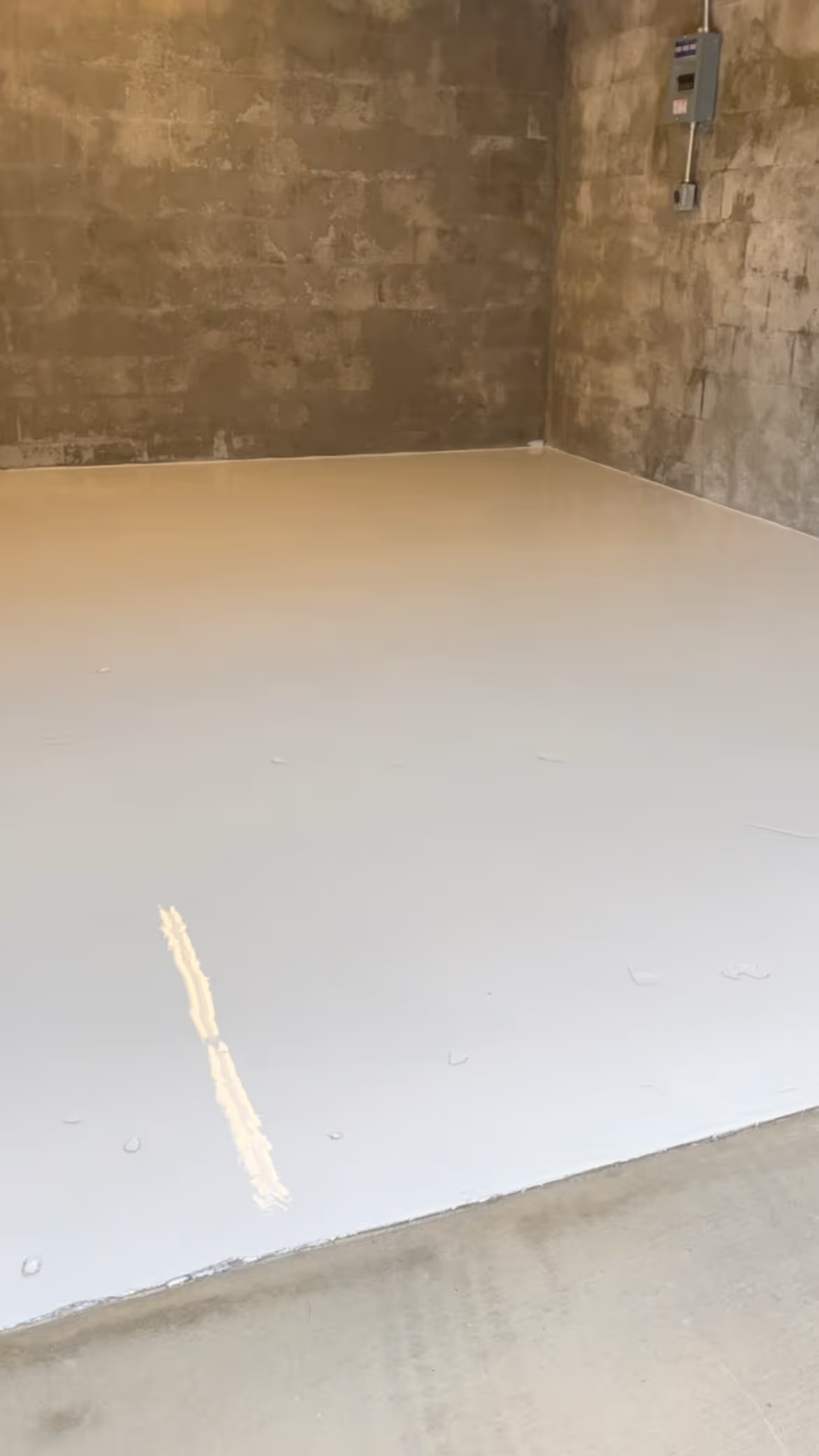
Leveling is the wrong job for some of the floors we get called out to. A slab that is worn, stained or tired but sitting flat does not want a compound poured over it. Structural movement is a different trade again: where a floor is dropping because of what is underneath it, and cracks open as it moves, that is a foundation question, and leveling the top of the slab only covers it for a while. In the first of those cases what the floor really wants is a coating rather than a compound, and we will say so rather than sell you the pour. If leveling is the right job, call Epoxy Surface Professionals and we will measure the floor, tell you which of the three methods it needs, and quote the leveling before anything else gets decided.

GET A FREE Estimate
Please give us a call or fill in our contact form to receive more information about our flooring services.
For instant reply you can call us, text us, or connect with us on social media.

