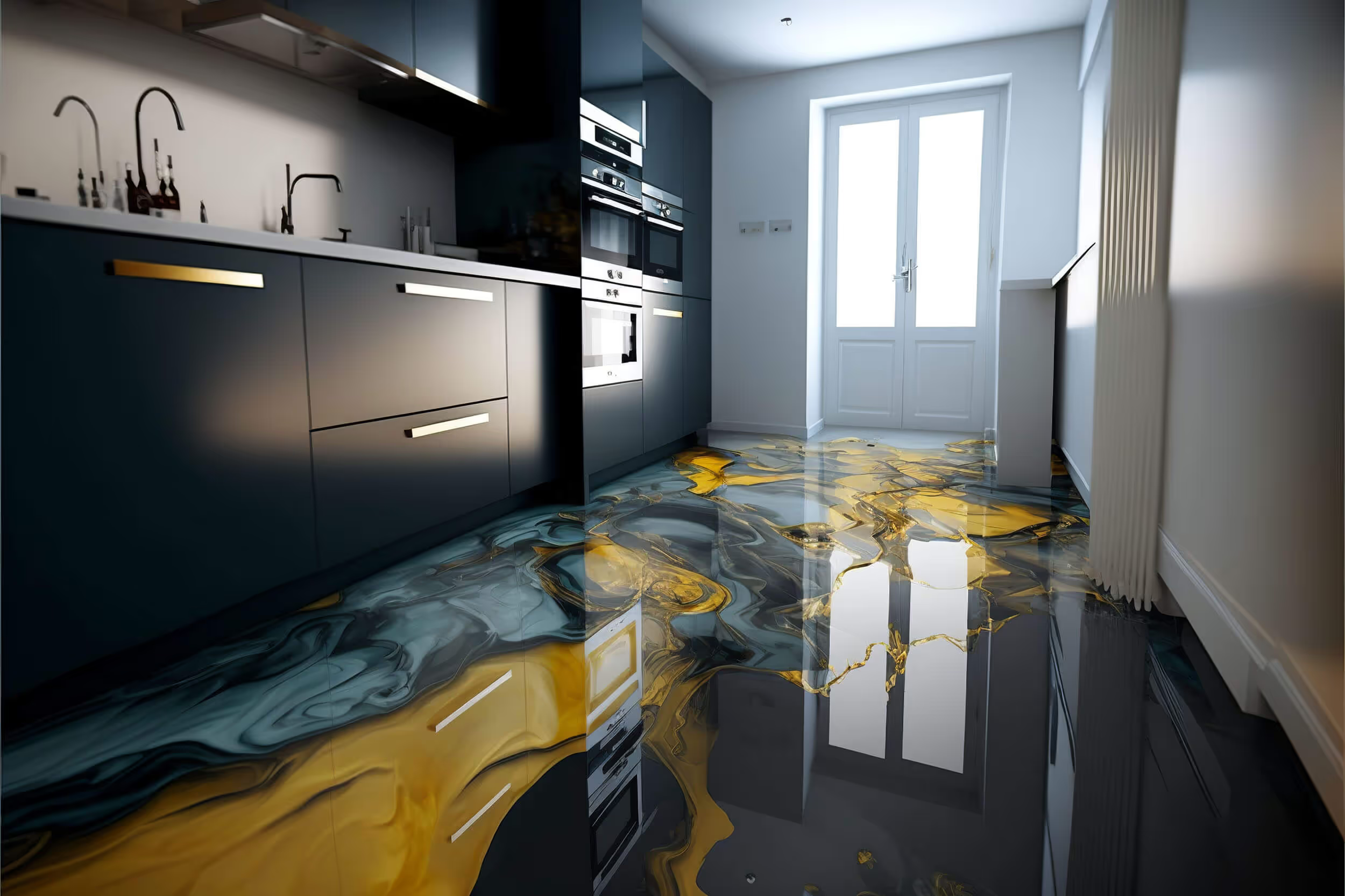

A metallic floor is built in coats, and the color arrives in the last one. The pigment is suspended in clear resin rather than stirred into a solid tint, so it is still loose once the coat is down. As the resin is spread and then drawn about, the pigment starts to separate: the heavier particles sink, the finer ones lift and travel outward, and the color opens into rounded cells with a darker vein along the line where two of them meet. That is the whole of the pattern. It is not printed, it is not rolled on, and it is not a copy of marble. It is the pigment finding its own edges in a coat that has not set yet.
What you notice first is that the floor changes as you cross it. From the far side of a room the cells read as distance, as though the surface ran deeper than the slab beneath it. Standing over the same spot, they resolve into edges and veins you can follow with your eye. Move a lamp, or let the afternoon come round, and the light travels a different way across it again. Underneath all of that this is the same epoxy system we install everywhere else, with the color carried in the resin instead of laid over it, so the metallic part is a finish rather than a different floor. What it is not is repeatable. The floors in these photographs are ones we have poured, and yours will not look like any of them.
Metallic is an indoor finish. Sunlight turns the resin yellow over the years, so a driveway, a patio or a pool deck gets an outdoor polyaspartic system instead, which keeps its color outside. It also wants a dry slab. Moisture rising through concrete pushes at the underside of any coating, and because a metallic floor is judged on how clear it reads, a cloudy patch shows up here more than it would in a flake floor. We check the slab before we quote for one. And if what you are after is character in the concrete itself rather than a finish laid over it, polishing the slab instead of coating it is a different route to the same want.
What you are protecting is clarity, so cleaning is mostly a matter of keeping grit off the surface. Sweep or vacuum often, because sand and dust act as an abrasive underfoot and go to work on the gloss in the traffic lanes first. Wash with a mild detergent and warm water. Leave out anything acidic, anything carrying solvents, and every kind of scouring pad, all of which cut the surface far quicker than feet ever will. A metallic floor that has gone flat has usually not been damaged at all. It has been sanded, slowly, by whatever was walked across it.
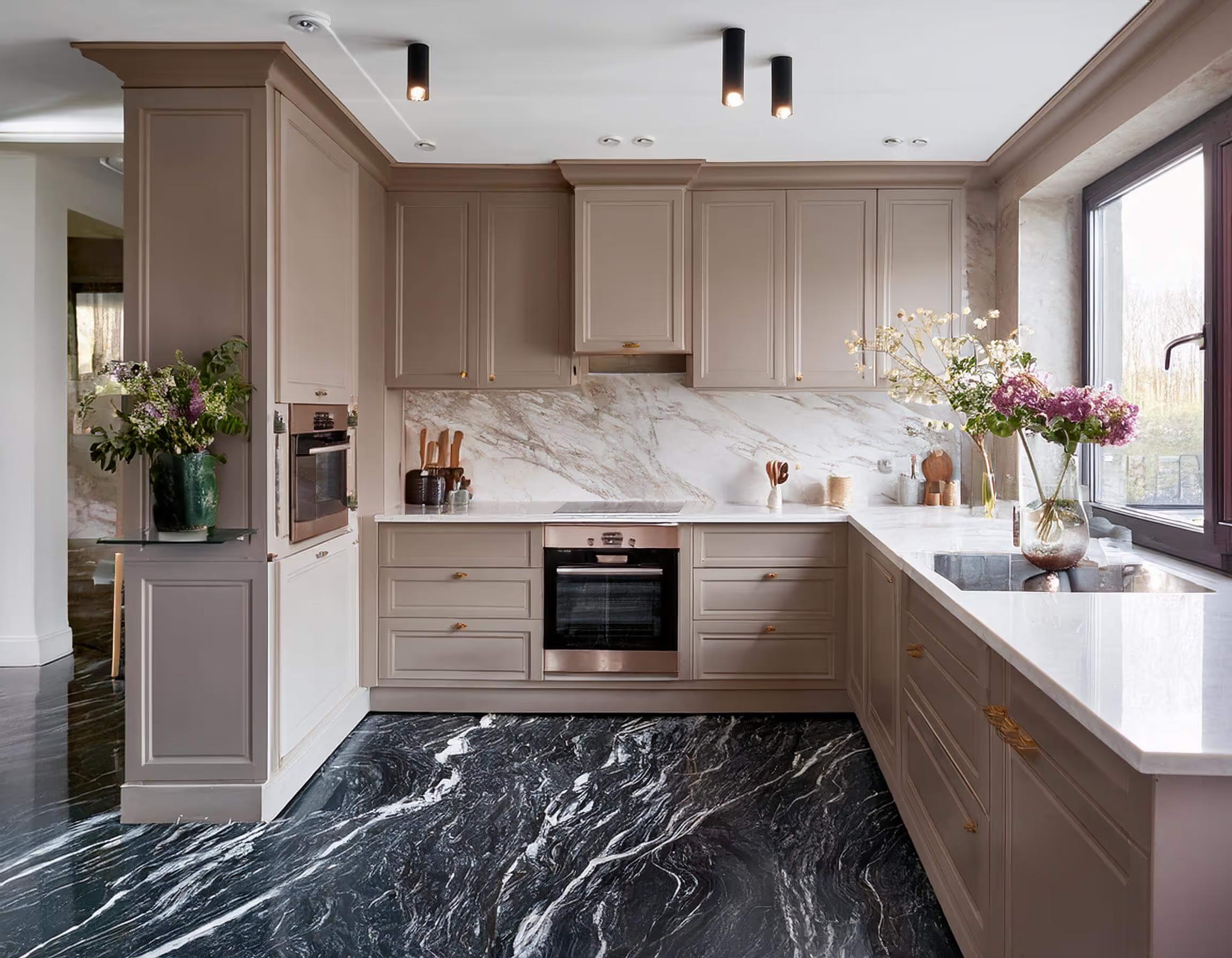
The coating is hard, but it is no match for a point load. A steel chair leg, a dropped tool or a castor with grit caught in it will mark it, the same way they would mark any resin floor. Felt pads under furniture legs deal with most of that. Lift things rather than dragging them, and think about which way you are dragging, because a scrape drawn along the run of the cells follows them and catches the eye. In a workshop or a garage bay, put a mat down under anything that gets jacked up or wheeled in and out.
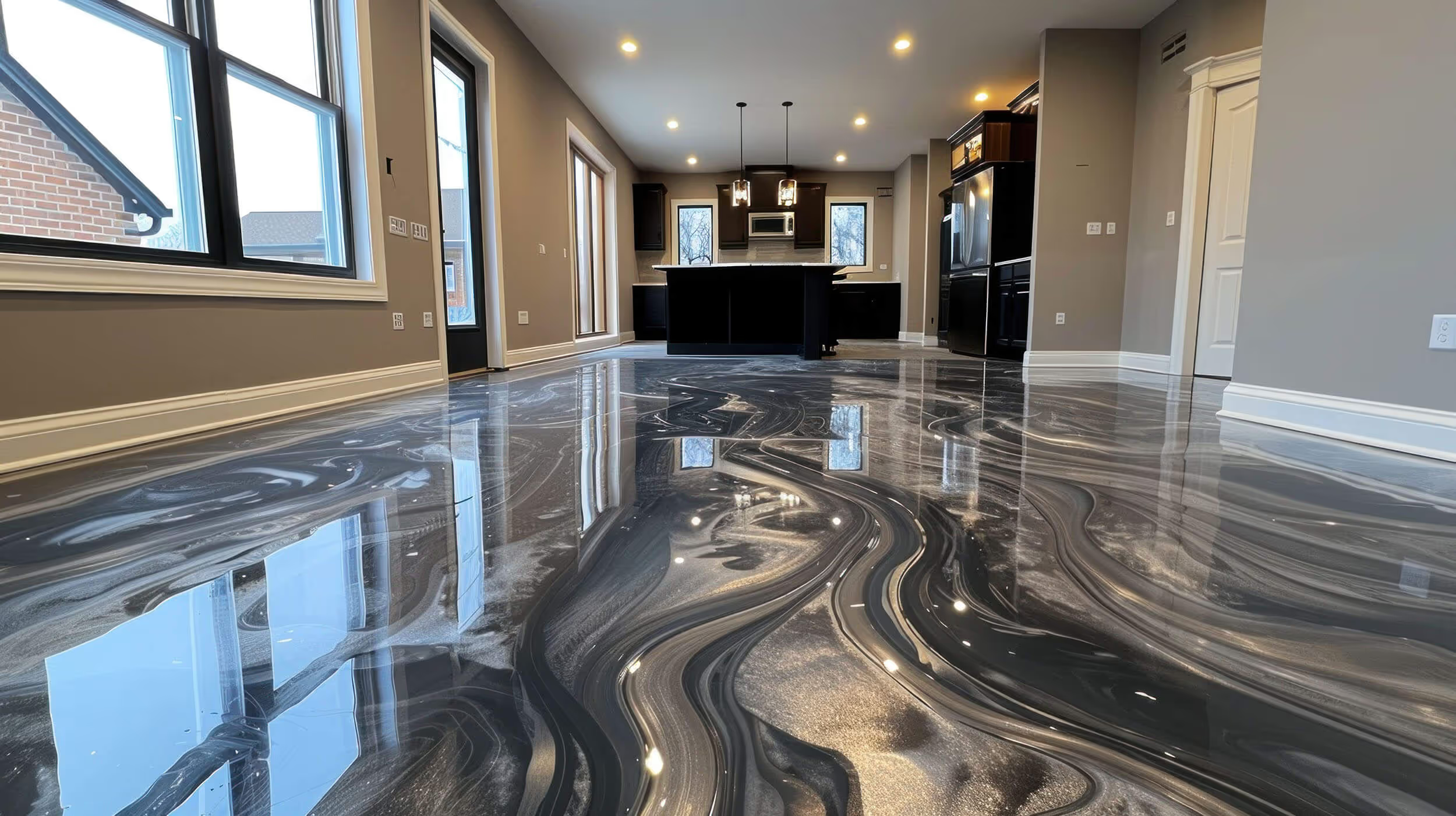
Cured resin is not porous, so a spill sits on top of the floor instead of soaking into it, and most of what lands on a kitchen or a hallway wipes up with a damp cloth. Oil, brake fluid and anything strongly acidic are the exceptions, and they are exceptions because of time rather than contact. Left overnight they can discolor the film on the surface. Standing water tells the same story: it does nothing at all in an hour, and it will leave a ring if it sits there for a week. Wipe it up when you see it and the floor keeps reading clear.
GET A FREE Estimate
Please give us a call or fill in our contact form to receive more information about our flooring services.
For instant reply you can call us, text us, or connect with us on social media.

