There is no single answer, because the right system depends less on the floor than on the building around it. A warehouse that shuts for a holiday week can take almost anything. One that runs six days and stores stock on every square foot of slab is choosing between systems on cure time, not on hardness. Epoxy is harder and costs less to lay over a large area. Polyaspartic costs more and cures fast enough to hand a floor back inside a shift. Both are legitimate warehouse floors, and the building decides which.
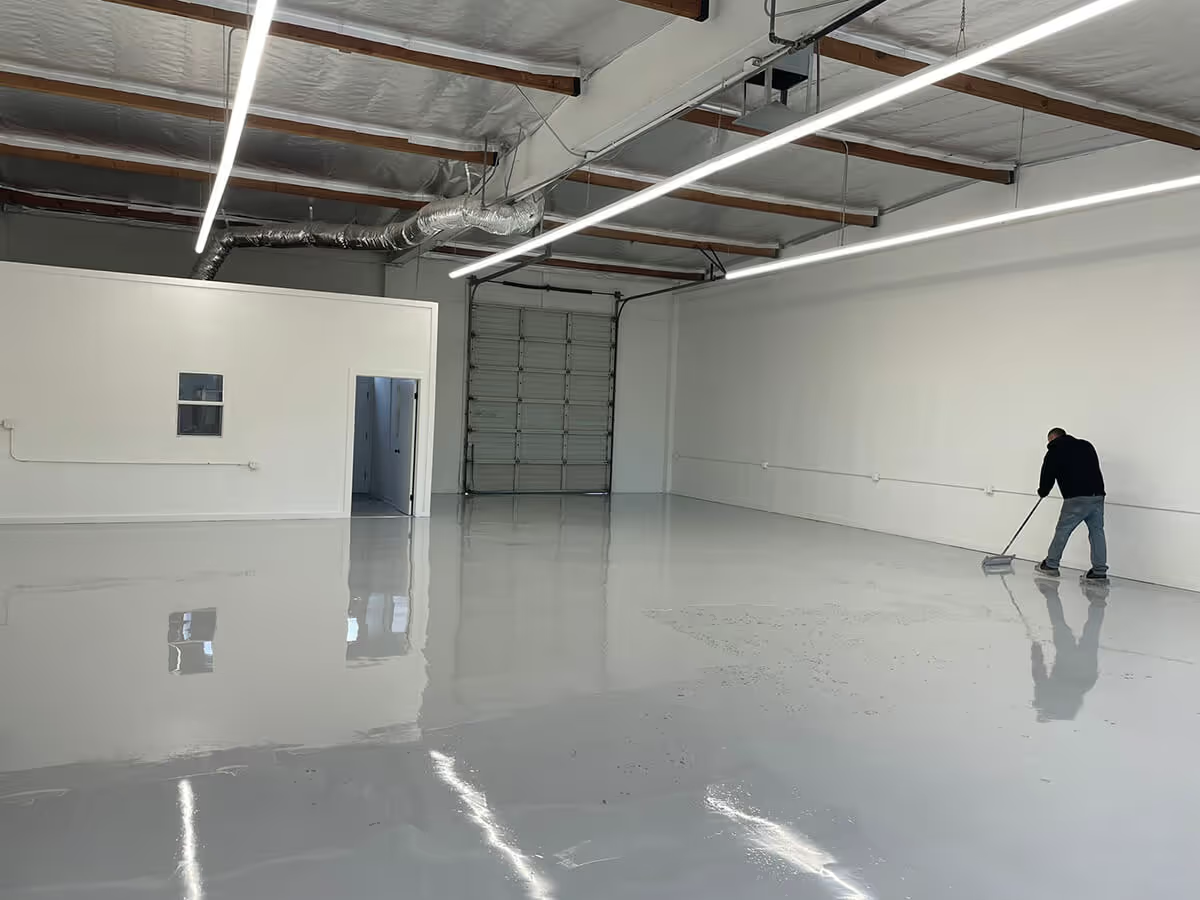
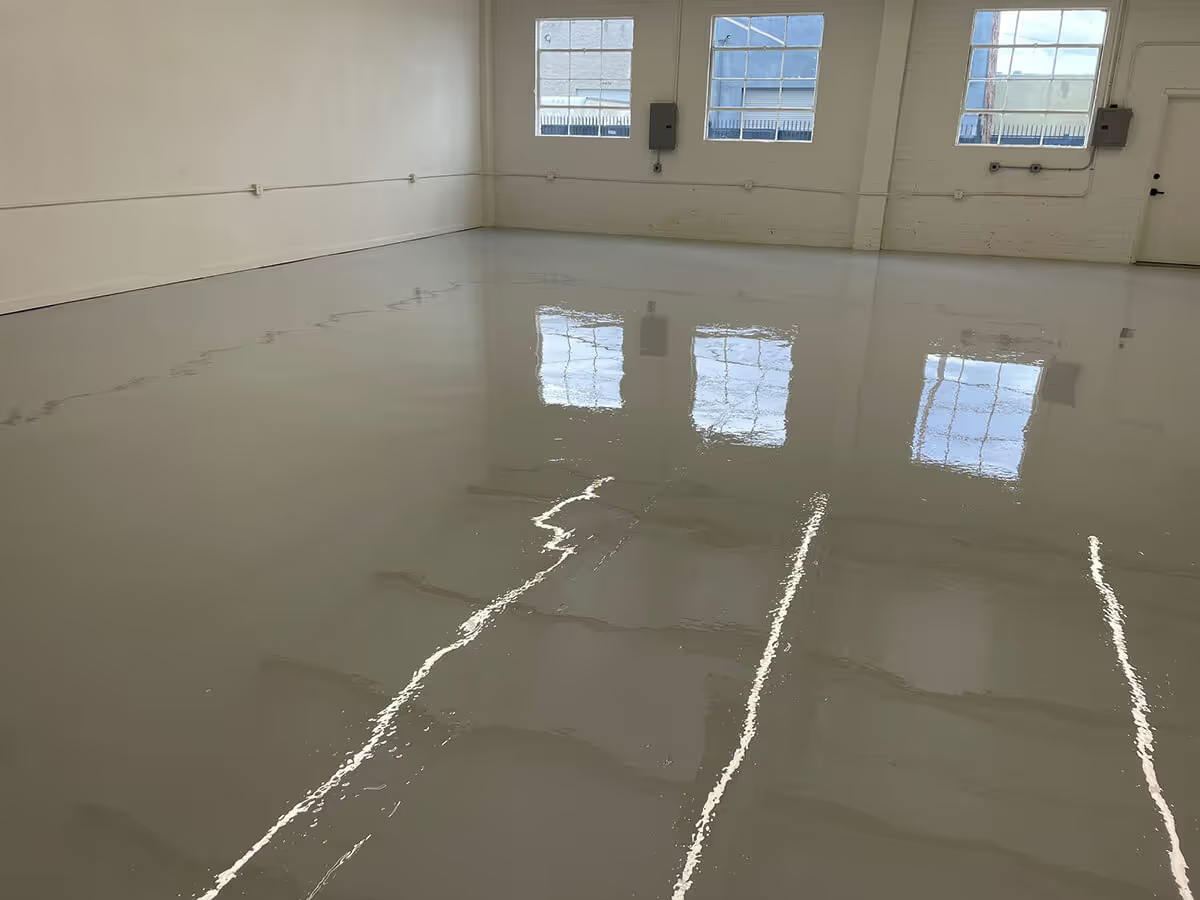
That trade-off is the whole decision. Epoxy wants the floor left alone for two days or more before traffic returns, which is fine over a shutdown and impossible in a building that loads trucks every morning. Polyaspartic cures in hours rather than days, so a bay can be ground, coated and back under racking between one shift and the next. The one commercial job in our own project record is exactly that case. On a 1,000 square foot warehouse in Huntington Beach the client had rearranged their racking and filled in old concrete, which left the slab uneven before anything could be coated. Epoxy Surface Professionals ground it back to bare concrete and laid two coats of polyaspartic in medium gray. The whole floor was finished in nine hours, inside a single shift.
Warehouse floors fail in three ways, and none of them is the one a brochure photograph suggests. Knowing which one your building will do to a floor is what decides the specification.
Foot traffic is not what breaks a warehouse floor. A loaded forklift puts its whole weight through four small contact patches, and it runs the same aisles every day. Where that load crosses a control joint, the slabs on either side of it move against each other by a hair, and a coating laid straight across the joint splits along the line. A joint has to be carried as a joint rather than painted over.
A forklift tire that has been working all day comes off the floor warm, and a warm tire will lift a soft coating away from the slab in patches. That is hot tire pickup, and it is the most common reason a cheap warehouse coating looks chewed up within a year. The same floor also has to sit under battery acid at the charging bay, hydraulic oil where machines park, and whatever the stock leaks. A warehouse floor is specified for the chemistry it will actually meet, not for a general promise of resistance.
Most Los Angeles warehouses sit on a slab poured straight onto the ground. Water vapor moves up through that slab all year, and if it is sealed under a coating it gathers at the surface until it pushes the coating off in blisters. This is the failure that looks like bad workmanship and is not. It gets caught by testing the slab before anything is specified, and then by choosing a system that lets the floor breathe or by dealing with the moisture first.
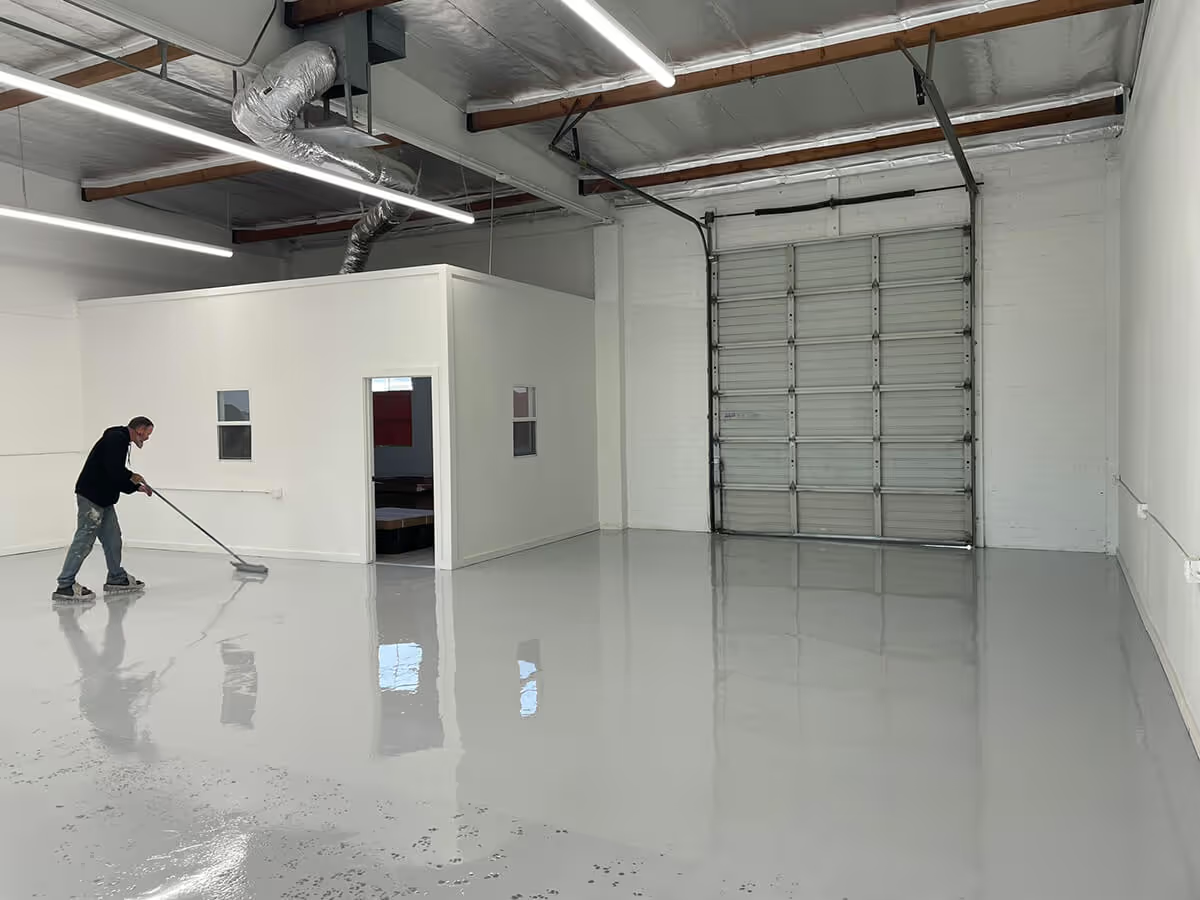
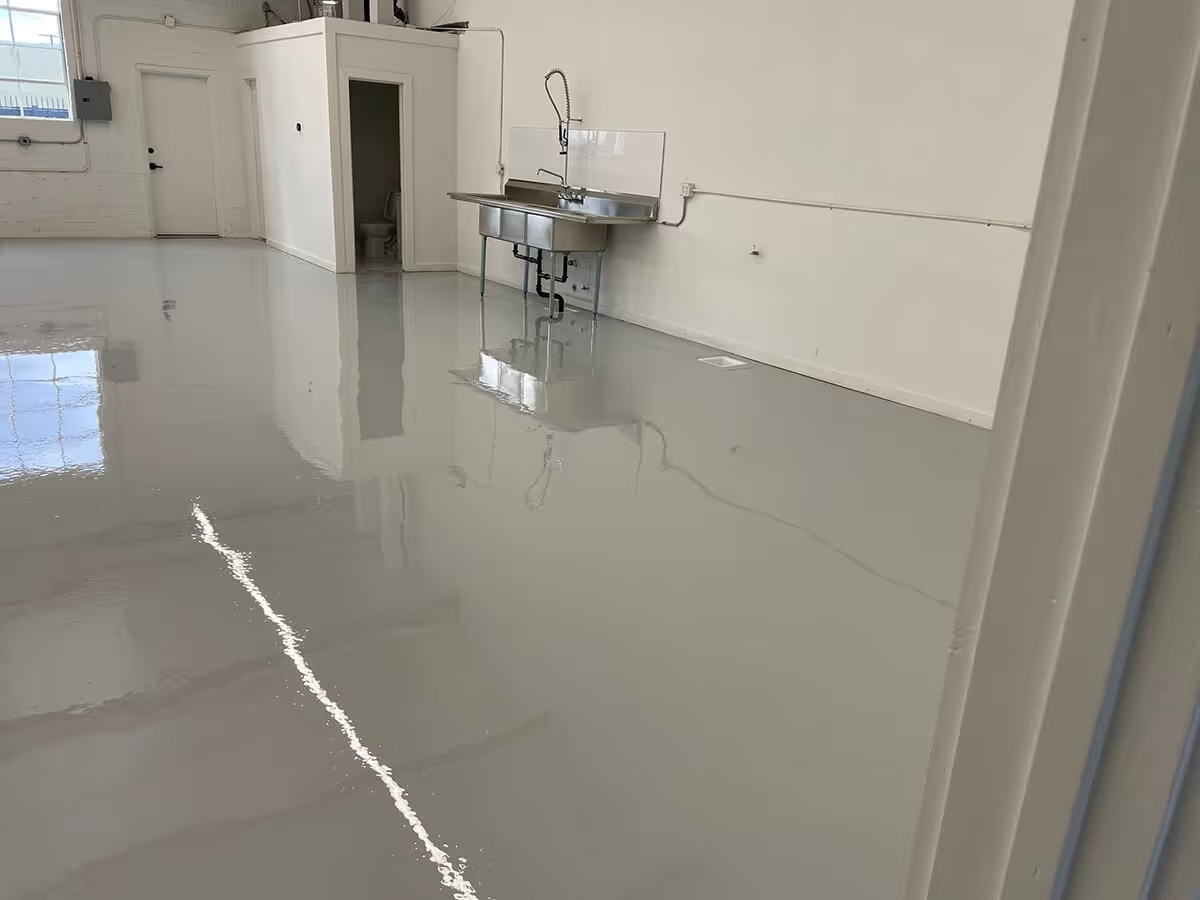
Epoxy Surface Professionals works a warehouse floor in bays. The area coming up next is cleared, ground, coated and handed back before the next one starts, so racking and stock move once rather than shuttling around the building. On a small floor that can mean a single overnight visit. On a floor measured in thousands of square feet it means a run of nights and weekends, with a written order of bays agreed before anyone arrives, so your team knows which aisles are out and when they come back. Polyaspartic is what makes that possible, because a bay handed back in the morning has to be genuinely ready for a forklift rather than nearly ready.
What moves the cost is rarely the coating itself. It is the square footage, how much of the old floor has to come off first, whether the work runs at night or over a weekend, and how many visits your operation needs it broken into. Epoxy Surface Professionals will tell you which system your floor takes and how much of your operation has to stop while it goes down. An uneven slab is worth settling first, because a warehouse floor is laid thin and telegraphs whatever is underneath: grinding and leveling comes before any coating. There is also a case where a coating is the wrong purchase. If your building can give up the floor for a week and you would rather never recoat it, polishing the slab you already have is the more honest answer, and it is work Epoxy Surface Professionals also does. For a warehouse flooring quote, say how many square feet you have and how many hours the floor can be out of service.
GET A FREE Estimate
Please give us a call or fill in our contact form to receive more information about our flooring services.
For instant reply you can call us, text us, or connect with us on social media.

