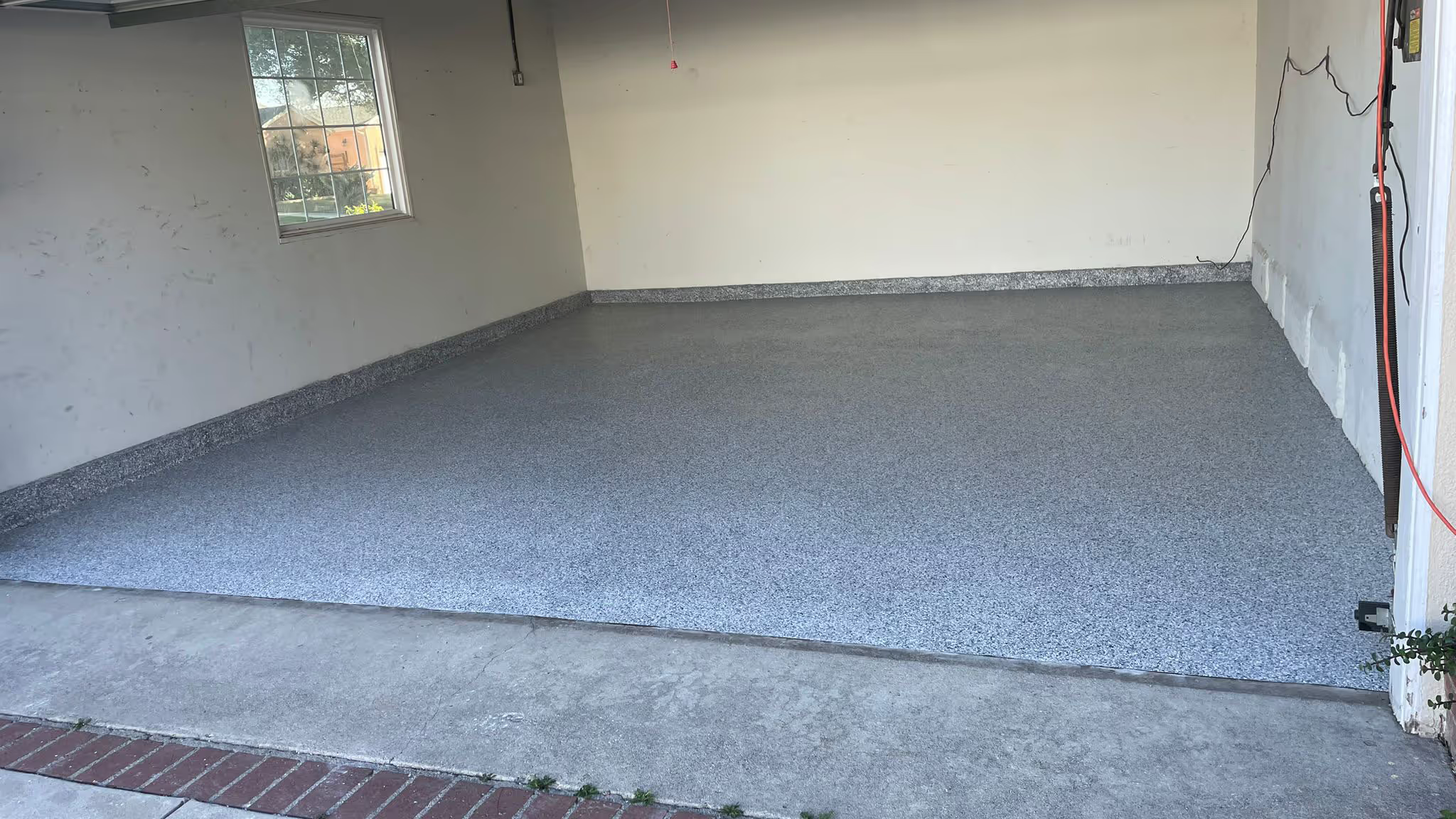

An epoxy floor coating gives a home one continuous surface with no seams to catch dirt. What decides how it turns out is the slab underneath, because epoxy is thin and follows whatever it is laid over. A pitted or uneven floor is ground back and the low spots filled before any coating goes down, and where a floor has been painted before, that old coating comes off first so the resin bonds to concrete rather than to paint. A Mount Washington lower room usually has tile or glued vinyl to lift instead, and that comes up with the grinder rather than by hand.
Color is part of the specification rather than an afterthought. A solid color reads as one clean, even surface, while multi-colored vinyl flake breaks the surface up visually and adds a little texture underfoot. Where a floor is likely to get wet, anti-slip additives can be built into the topcoat. How the coats are built up is the same whether the floor ends up in a garage or a living room. Epoxy is not right everywhere, and it is worth saying so before you buy it. It ambers under direct sun, so a patio, a walkway or a pool deck is better served by an outdoor system that will not yellow, and where you would rather not coat the slab at all, polishing the slab you already have is the other route.
A garage floor takes punishment an interior floor never sees. Hot tires, dropped tools, oil and other chemical spills ask more of a coating than a living room does. That is why a floor built for a garage is specified differently, and is not simply an interior floor in a different color. That usually means flake on an Altadena garage floor, since it forgives a slab that has been used hard for years better than a plain color does.
Where the garage cannot be out of use for long, polyaspartic is the alternative to epoxy. Traditional epoxy coatings can take several days to cure, while polyaspartic can cure in as little as a few hours, and on a garage that doubles as storage or a workshop that is often what decides the choice. The same choice between epoxy and polyaspartic comes up on the garages we coat over in Pasadena, and a Monrovia garage that has to stay in use is settled on the number of days you can spare rather than on the finish.

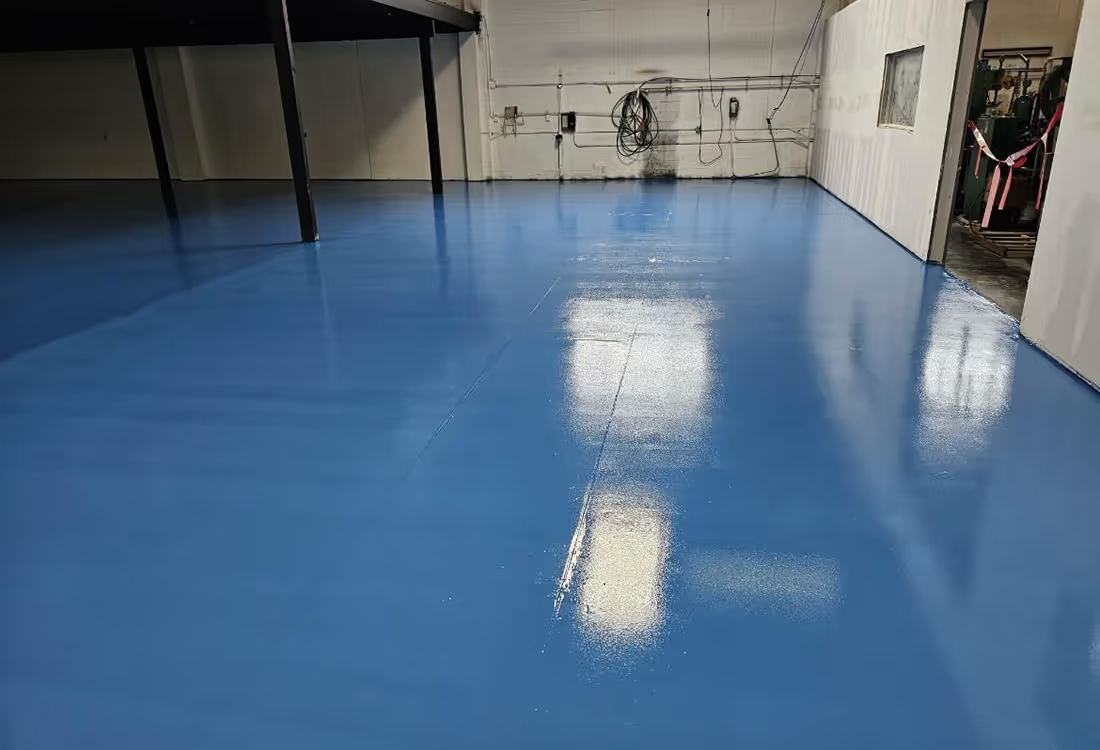
In a commercial space the floor gets chosen around traffic and cleaning rather than around looks. A retail or office floor is mostly about appearance and easy maintenance, while a unit taking forklift or pallet traffic needs a harder-wearing build and the safety markings that go with it.
None of this changes much from one job to the next, in a house or in a unit. We take the old surface off with a grinder until bare concrete shows, cut out and make good whatever has failed in it, lay the base coat, drop the color or the flake in while it is still wet, seal over the top, then give it time to cure before anything runs over it. The first thing that decides the cost on an Altadena floor is how long you can let us have the space, because a floor that can sit undisturbed for several days can be built in epoxy, while one that has to be working again the next morning has to go down in polyaspartic instead. Area comes next, then how much of the slab needs rebuilding once it is open, then the finish you settle on. Give us the day you need it back in service, and what will be running over it by then, and we will specify epoxy flooring in Altadena to suit both.
GET A FREE Estimate
Please give us a call or fill in our contact form to receive more information about our flooring services.
For instant reply you can call us, text us, or connect with us on social media.

