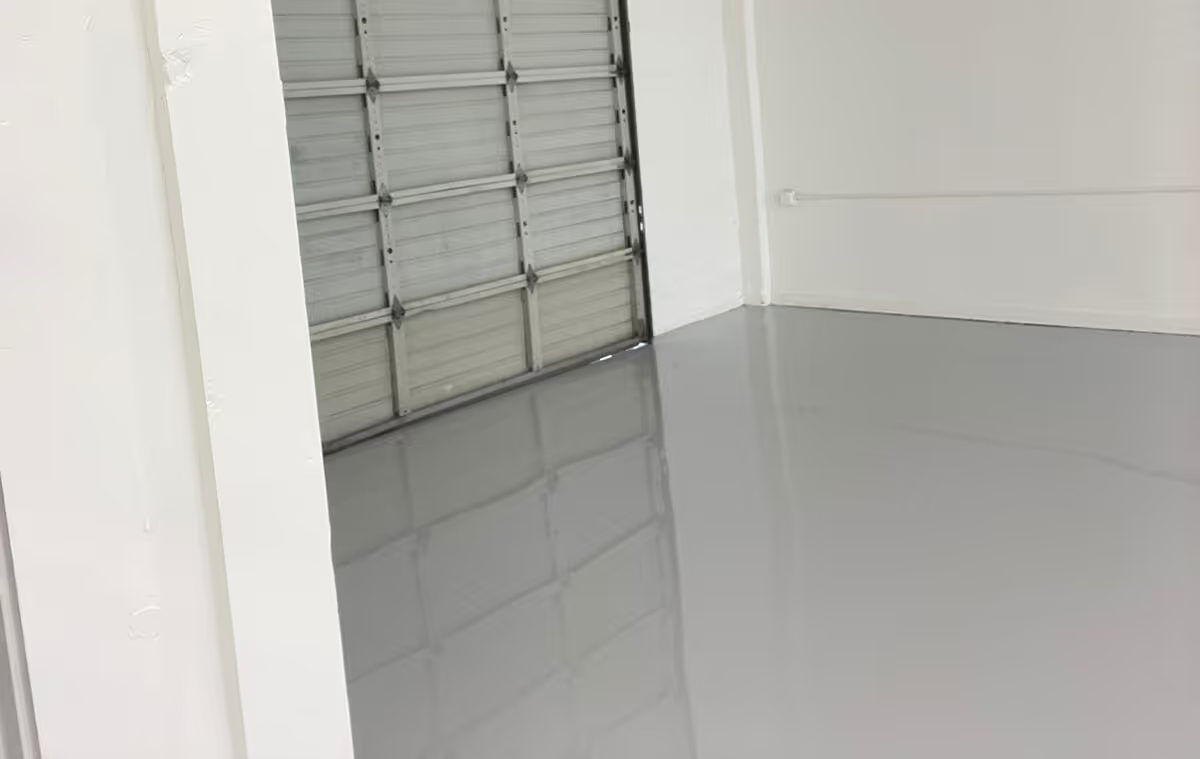
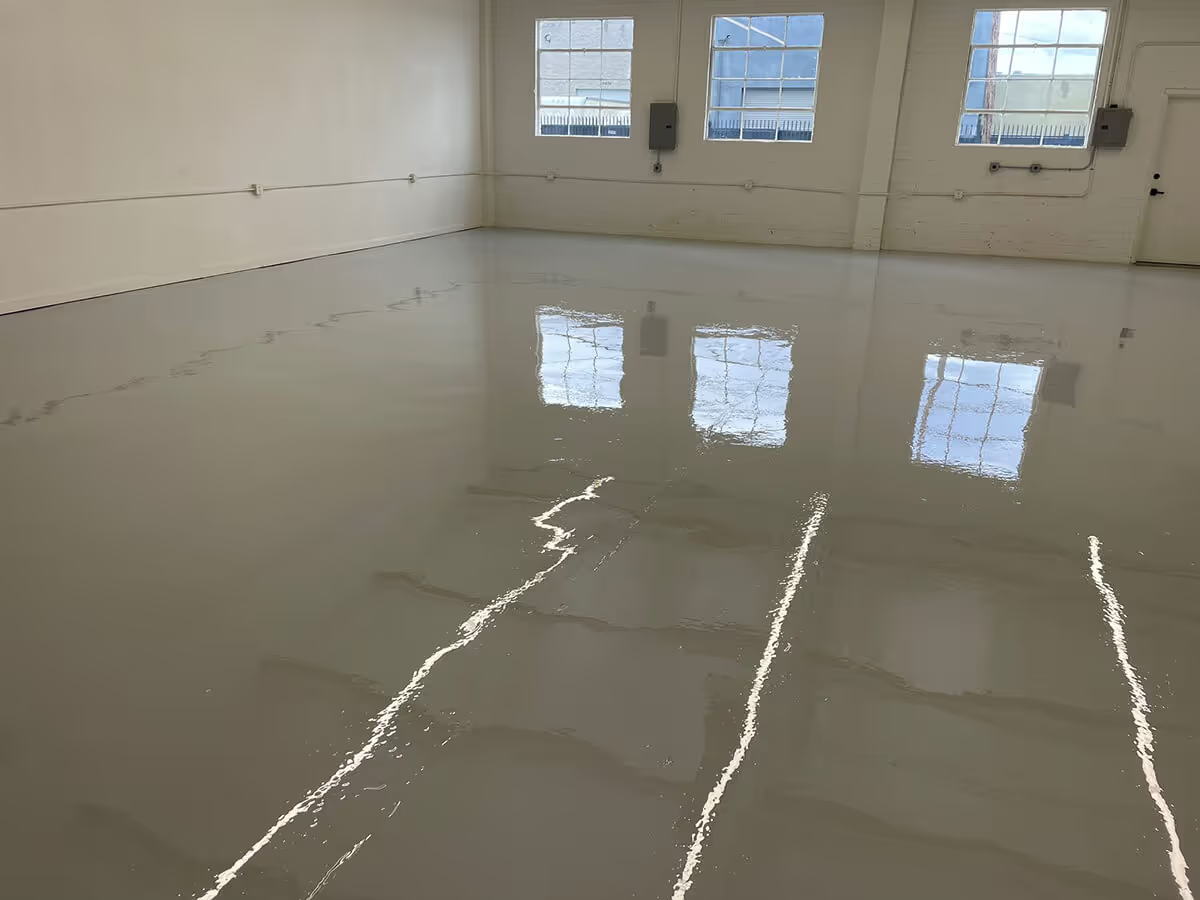
Wear is not one thing. A resin surface has to deal with three separate demands: loads that dent or chip it, abrasion from grit walked in over it, and whatever gets spilled and then left to sit. Grit is the one that gets underestimated, because it works like sandpaper underfoot and dulls a surface long before anything heavy is ever dropped on it. There are two answers to that, and which one we specify follows from the grit: a resin coating laid over the slab where you want a sealed surface that resists it, or leaving the slab bare and polishing it where the concrete underneath is sound enough to be the floor itself. On most Monrovia floors we recommend the coating.
Cleaning is the other half of the specification and it usually gets settled too late. A floor that is mopped every day, a floor that is pressure washed and a floor that only ever gets swept are not the same job, because a finish that survives one can be stripped by another. Where water reaches the floor at all, slip resistance has to be part of the build rather than something added later, and that decision is one you can feel.
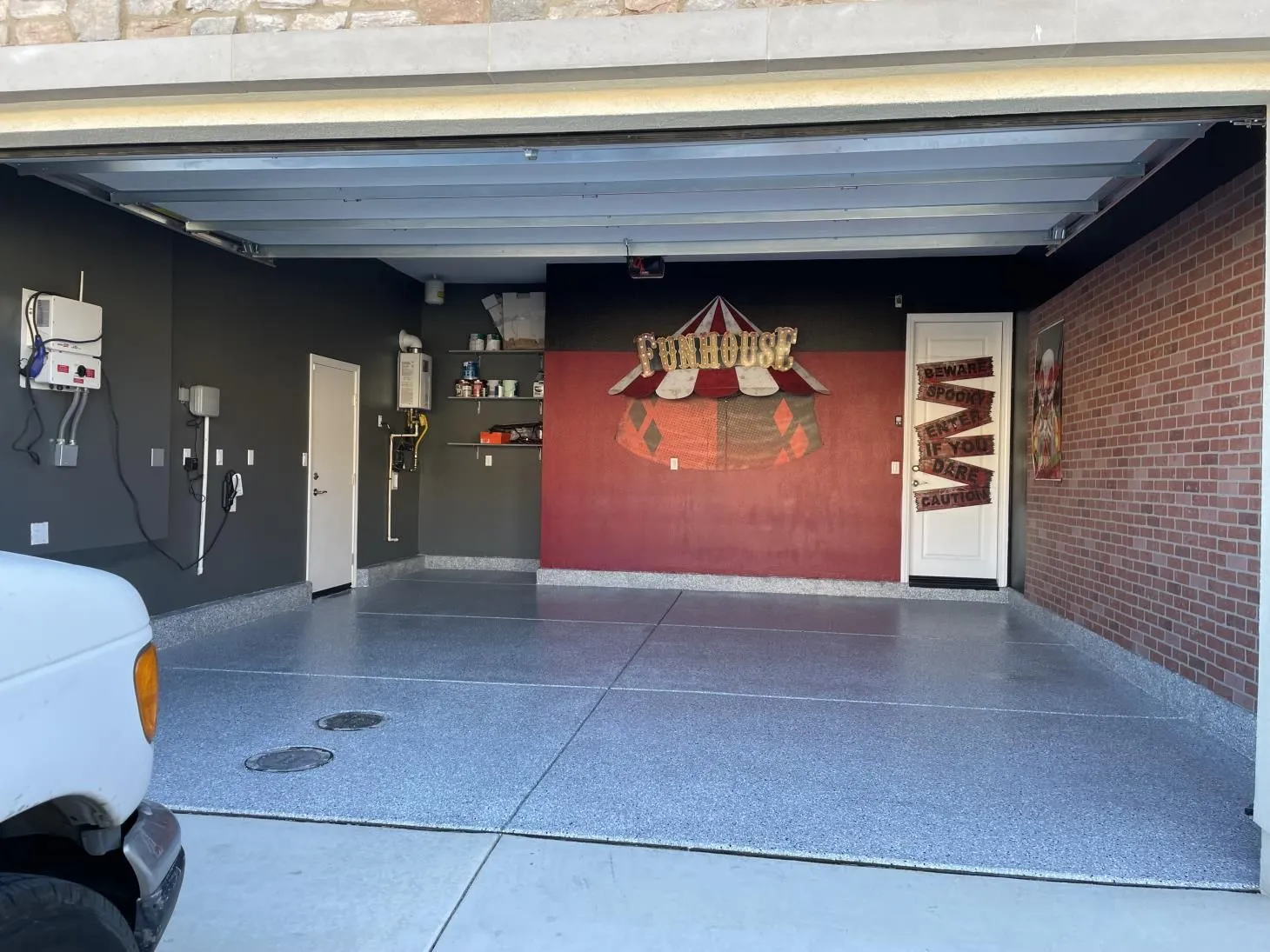
A garage in regular use behaves more like a small workshop than like a room in the house. Tools land on it, a car carries in water and road grit, and solvents or brake fluid reach the surface sooner or later. Preparation carries most of that job, because oil stains and any old coating have to come off first and any hollows and cracks made good before fresh resin will bond evenly, which is a large part of how a garage floor is put together.
A garage used this way is usually part parking and part work area, and the floor can be set out to match. The color can change between the two zones, and the same safety markings used in commercial units work just as well at this scale. Where appearance matters as much as wear, pigment carried in the resin itself gives a different look over the same build underneath. The same split between parking and work area shows up on the garage floors we coat around Pasadena, and a workshop garage in Sunland is zoned the same way, with the color changing at the line between the two. Which finish goes into each zone is a separate call, and the working half of a Monrovia garage floor usually ends up in flake, because it hides what comes off the bench.
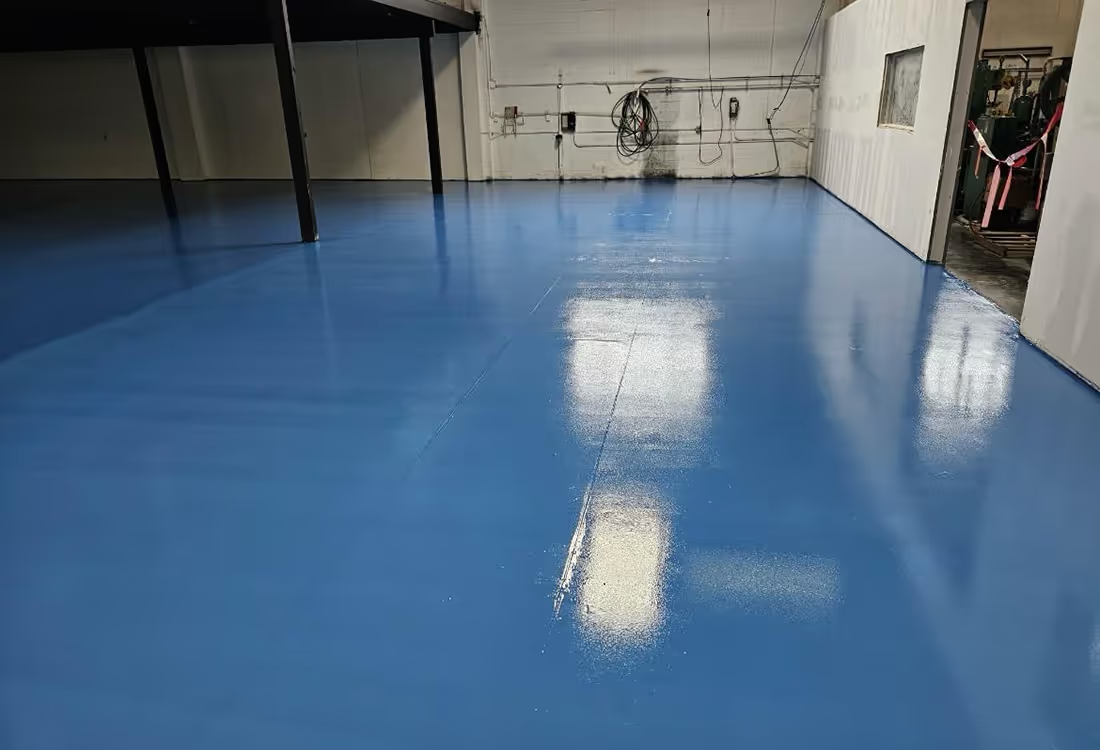
Wheeled load is what separates one working floor from another. Foot traffic and the occasional hand truck ask very little of a surface. A loaded pallet jack, or a forklift turning on the spot, asks a great deal more of the bond between the coating and the slab, and it finds any part of the preparation that was rushed. Scale changes the method more than it changes the materials, and on a large floor the preparation is most of the schedule. On a 1,000 square foot warehouse in our project record the slab was ground back to bare concrete and then finished in polyaspartic rather than epoxy, with the whole floor done in nine hours. A floor under pallet jacks and forklifts is where that preparation earns its keep.
The steps are fixed even when everything else about the job is not. We survey the slab, take off whatever is sitting on it, rebuild the cracked and hollow parts, prime it, put down the flake or the color, then seal over that and let it cure before it takes footfall, and later before it takes wheels. What sets the number here ahead of anything else is how the floor will be cleaned, because a surface that gets pressure washed every night needs a heavier seal than one that is only ever swept, and that is far easier to settle now than to retrofit. Then it is the area, how much of the concrete has to be rebuilt once we open it up, and which resin the traffic calls for. Tell us how the floor gets cleaned and what crosses it in a day, and we will build the Monrovia epoxy flooring specification around those two answers.
GET A FREE Estimate
Please give us a call or fill in our contact form to receive more information about our flooring services.
For instant reply you can call us, text us, or connect with us on social media.

