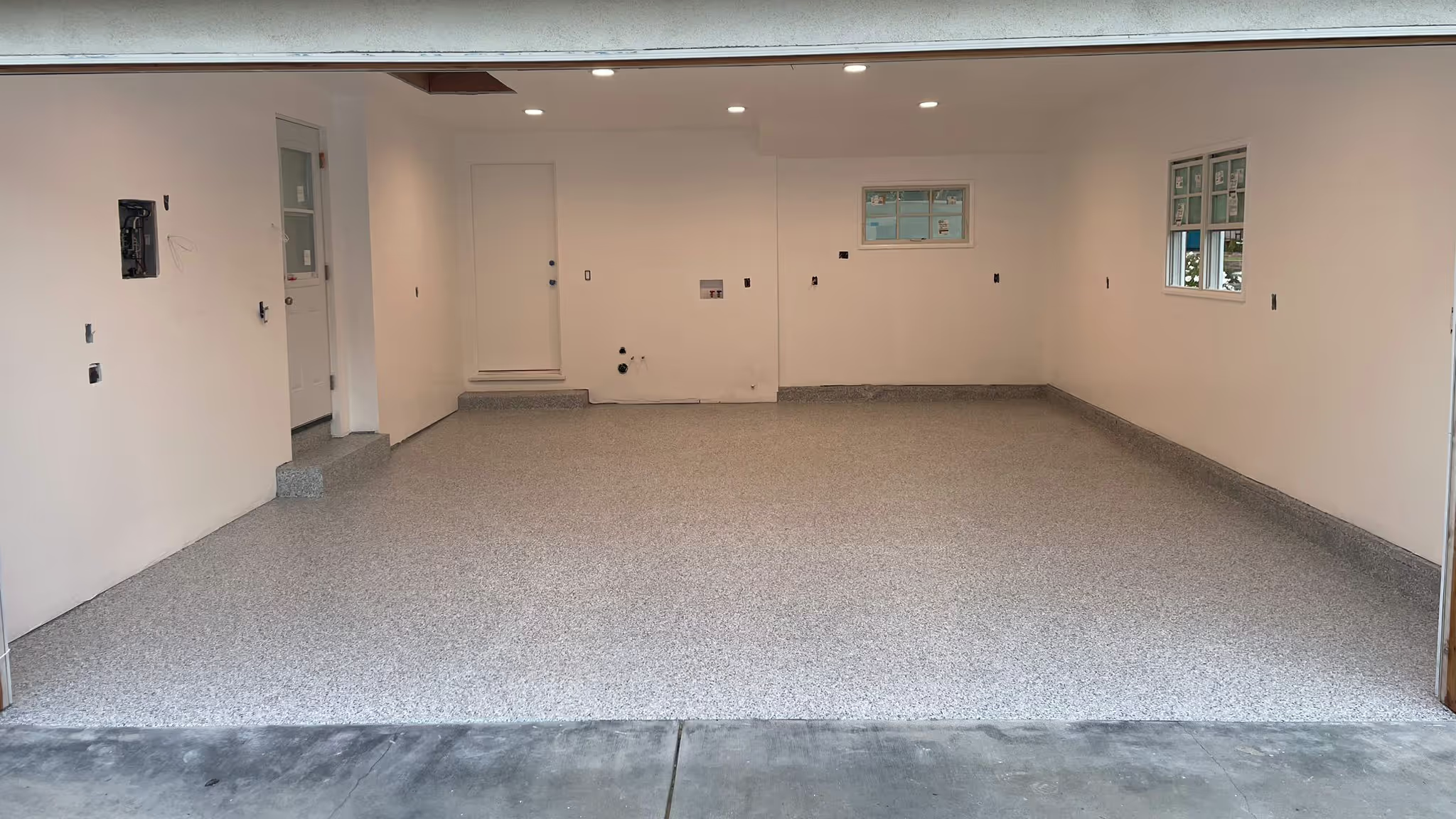
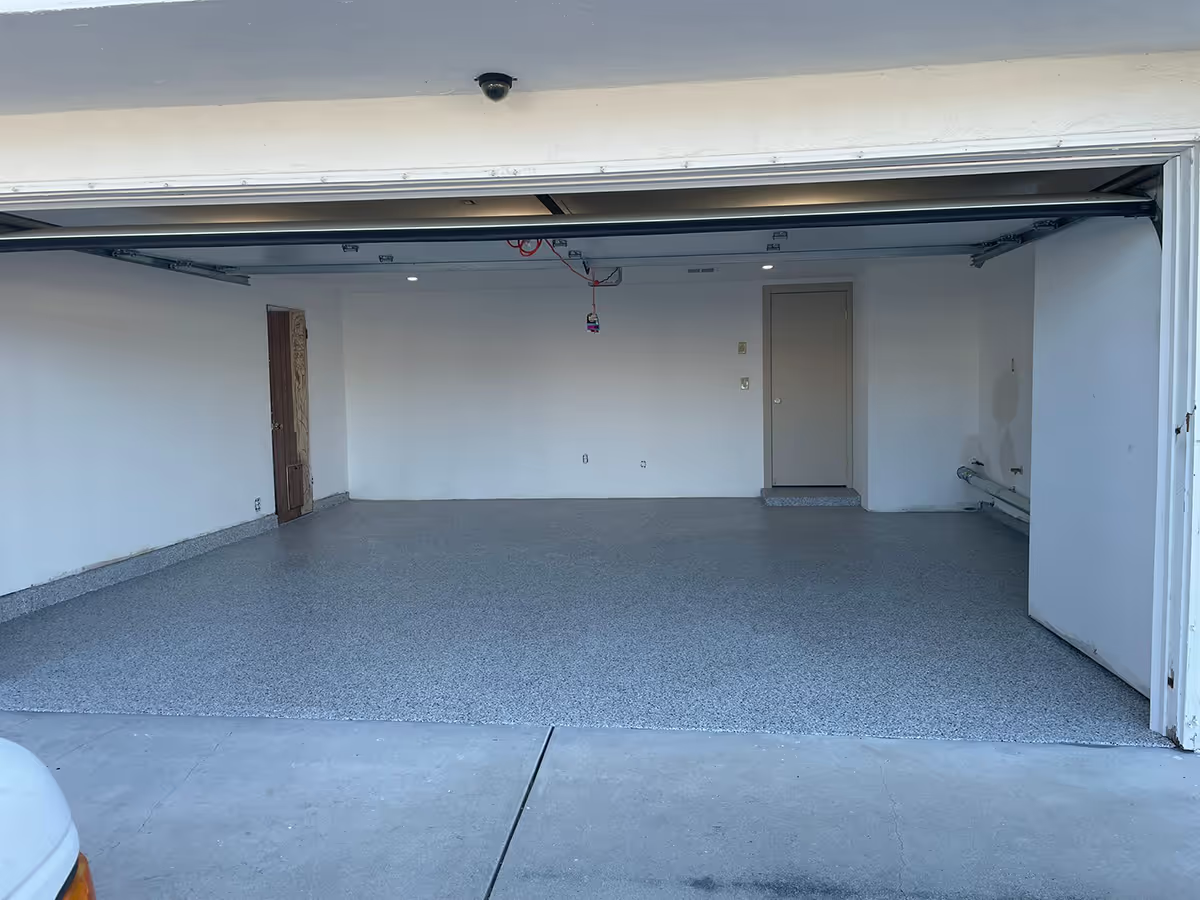
The floor is three passes, and the first of them is not resin at all. We grind the slab back to open concrete, take off whatever the last covering left behind, and cut out and fill the cracks and joints the grinder finds. Old tile adhesive is usually what sets the length of that stage. Then a pigmented base coat goes in while the concrete is still open, epoxy where the schedule allows it and polyaspartic where it does not. Flake or color goes into that coat wet, so it keys into the resin instead of sitting on it. A clear polyaspartic seal coat goes over the top and takes the wear from there on.
Most Valley floors are a two-day job and some run into a third, and what sets that is how much grinding the slab needs rather than how big it is. We laid a 1,400 square foot polyaspartic flake floor in a Sherman Oaks rehabilitation center in two days and four hours, which is a fair picture of the pace on a slab that is in reasonable order. You get the floor back for footfall first and for furniture a good while after that, and rushing either end is how a new floor picks up its first marks. A garage takes the same sequence with a heavier base coat and a harder seal over it. A garage bay in the Valley is the short version of that, finished between morning and evening once the grinder has opened a slab the tract builders floated smooth.
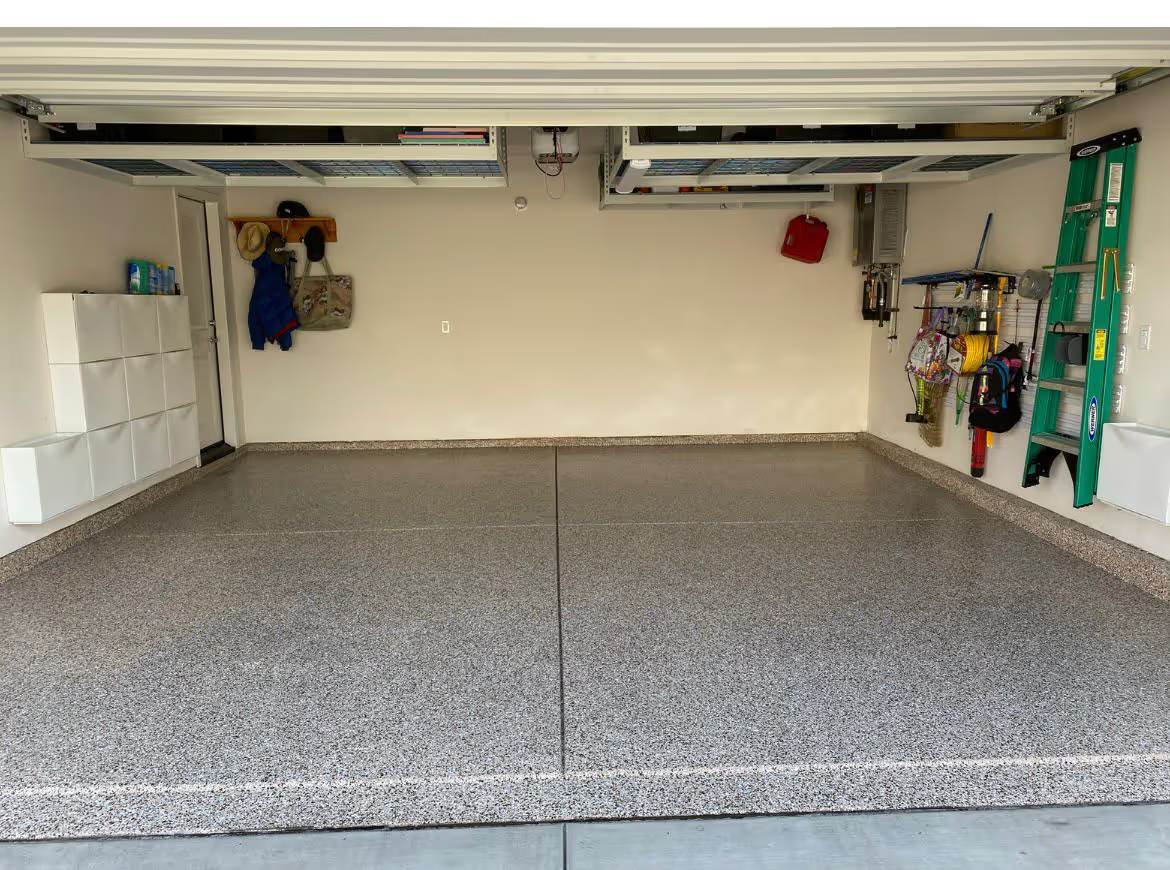
The middle pass is where the decision actually sits. What goes under it and what goes over it stay the same; the chips or the pigment between them are what you end up looking at. Three finishes cover almost every floor we lay in the Valley, and seeing the actual chips and tones settles it faster than any description does.
The chips are broadcast into the wet base coat and sealed under polyaspartic, which leaves a lightly textured surface with grip in it. It carries dust, tire marks and the odd dropped tool without showing much, which is why it ends up in most Valley garages and workshops. The chip blend also covers a slab that has been patched, because the pattern breaks up whatever is underneath it.
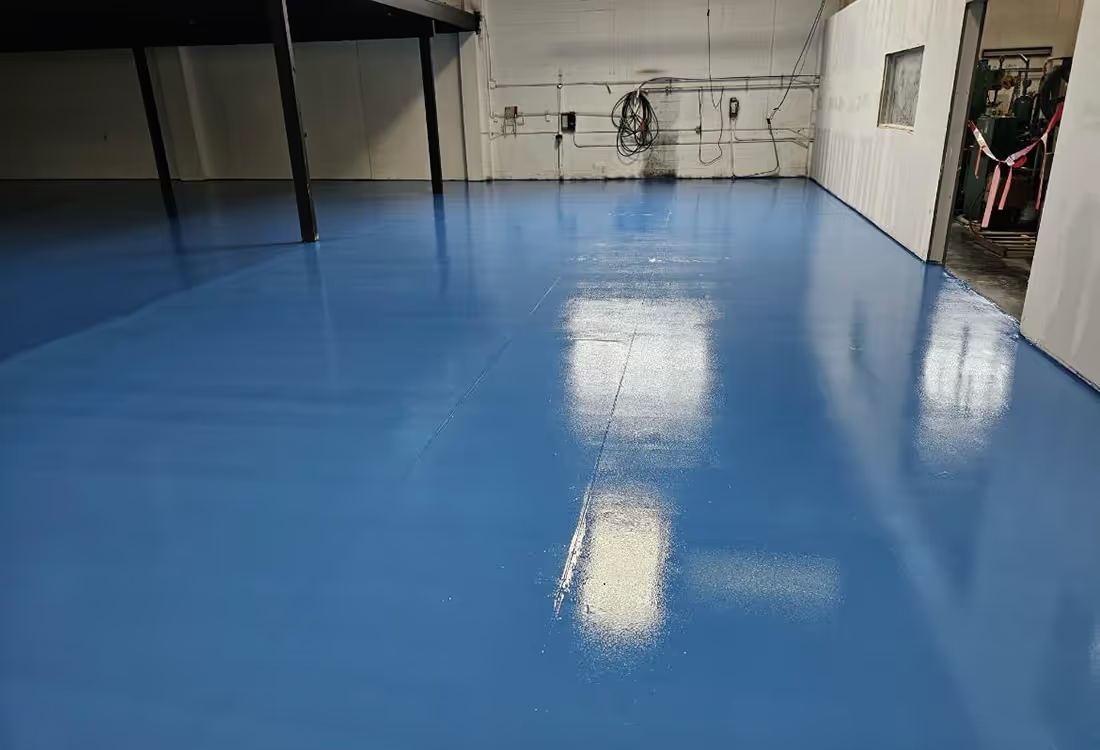
A solid color epoxy reads flatter and cleaner, and it shows more of what lands on it. Medium grays are where most people settle, because they sit between hiding everything and showing everything. It suits a room you want to look finished rather than industrial, and of the three it is the one that photographs best inside a house.
Metallic holds its pigment inside the resin, so the pattern moves as the coat is worked and no two floors come out alike. That is the whole appeal of it and also the caution, because nobody can show you an exact twin of what you will get. It belongs in a room where the floor is meant to be looked at rather than walked over.
Three things move the number, and two of them are settled on the concrete before any resin is opened. None of it is decided in an office. It comes off the slab, off the square footage, and off the system you pick, so here is what each of the three does to the total.
Square footage sets the floor of the price and the slab sets everything above it. Concrete that is sound and has carried one covering grinds quickly and needs little filling. Concrete that has held tile, then carpet, then a coat of paint takes most of a day before any resin goes near it. Where the slab has actually dropped rather than worn, the low side has to be brought up first, and pricing that as a coating alone is how a quote goes wrong.
An epoxy base under a polyaspartic seal is the standard build and the least expensive of the three. Going polyaspartic top to bottom costs more and buys back time, because it takes traffic again far sooner and keeps its color under Valley sun instead of ambering. Metallic epoxy sits at the top of the range, because it is slower to lay and there is no way to hurry the pattern.
Three cases come up often enough to name. A slab that is flat, sound and already clean can be ground and polished instead, which costs less than coating it and cannot chip, because there is nothing on top to chip. Anything holding moisture from below needs that dealt with first or the coating will lift, whatever it is made of. And a floor sitting in full sun all day wants a polyaspartic build or an outdoor system rather than an indoor epoxy one.
Once those three are known, an epoxy floor in the Valley usually prices out between $5 and $7 per square foot. We hold a 5.0 rating from 120+ reviews and are normally booking a couple of weeks ahead. Send us the square footage and a photo of the floor as it stands, or call (818) 359-3932, and we will put a real number against it.
GET A FREE Estimate
Please give us a call or fill in our contact form to receive more information about our flooring services.
For instant reply you can call us, text us, or connect with us on social media.

