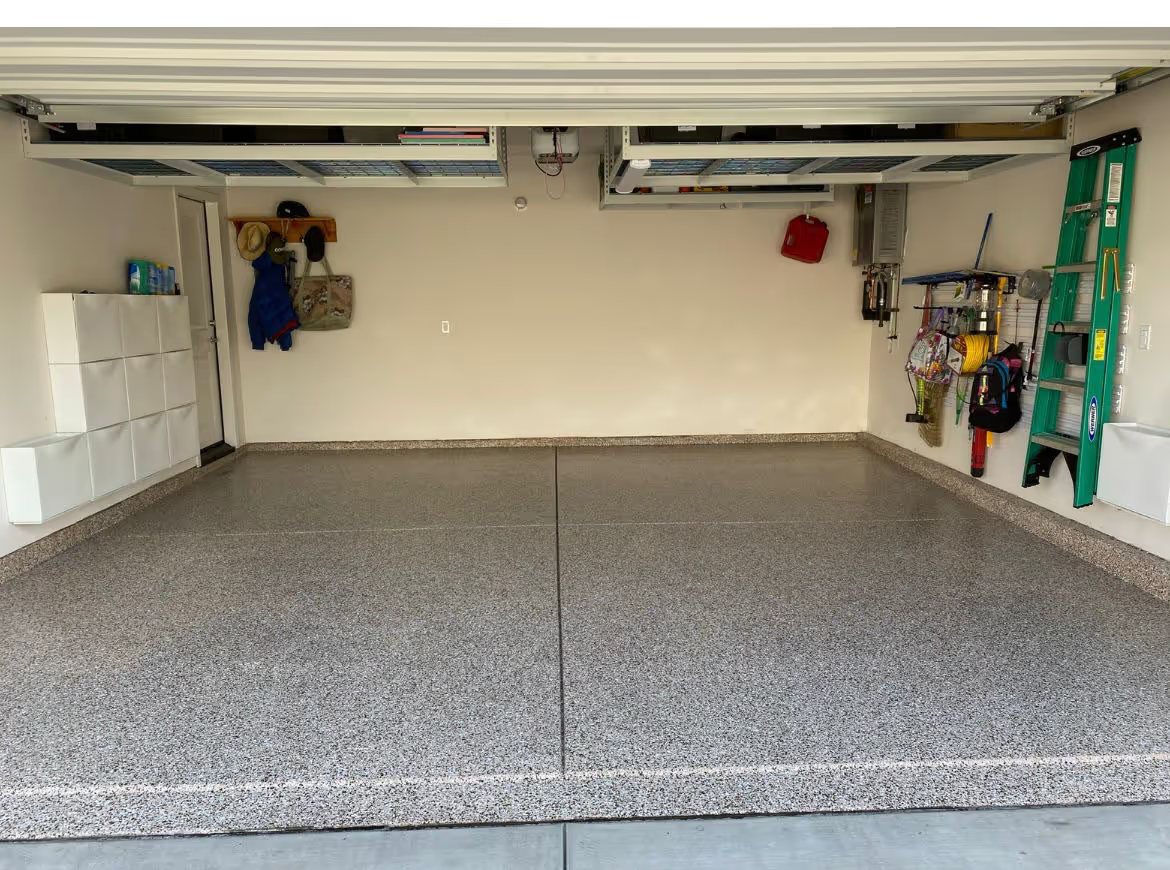

Nothing we lay is better than the slab holding it, so grinding comes first and it is not a quick pass. The diamond heads cut the bay back to raw concrete and take everything with them: showroom paint somebody rolled on, a kit off a shelf that never really stuck, whatever sealer the builder used, and the oil a parked car pushes into the surface year after year. There is a second reason for it. Valley slabs were floated glass-smooth when the tract went up, and epoxy cannot key into a surface like that until the grinder opens it.
Whatever appears once the floor is bare gets dealt with there and then, before any epoxy is opened. Cracks are cut wide, filled and ground back flat so the finish sits level over them. The movement joints are carried up through the coating rather than buried, since a slab denied its movement takes it out on the concrete instead. Stained ground is drawn clean, and a high moisture reading means a barrier goes onto the bare slab first. We do not turn a garage away over any of it. Repair is part of the price, not an addition to it.
The floor itself is three passes: a tinted epoxy base, flake or pigment dropped in while that base is live, then clear polyaspartic sealing the lot. A normal Valley two-car bay runs six to nine hours, which is why the bay comes back to you that evening rather than the following week. Where a slab has actually sunk instead of merely aged, levelling comes first and coating second. Where you would sooner have the concrete itself than a color over it, polishing is the other way to go.
Three epoxy finishes account for nearly every bay we quote, and choosing between them is mostly a question of how much wear you want the floor to swallow. Every blend comes as a hand sample, and laid on your own concrete it tells you more in a moment than a photograph manages at all.
Flake takes most Valley garages. Vinyl chips are broadcast into the live epoxy until no slab shows through, and the clear coat locks them under the surface. What you end up with has a slight grain to it, worth having when the floor is wet, and a dense chip mix simply absorbs the marks a garage in daily service picks up. Any bay that gets properly used is a flake bay.
Leave the chips out and what remains is solid color: pigmented epoxy beneath the same clear seal, unbroken from wall to wall. It is the cleanest looking of the three by some way. Because nothing interrupts it, every mark stays visible, so it belongs on concrete that ground up well. Most people land on a mid gray or a soft stone shade. Where a bay has turned into a gym, an office or a workshop, that flat surface is what stops it reading as storage.
Metallic puts the color into the epoxy itself and then moves it while the floor is going off, so the marbling that comes out is unrepeatable by definition. That is the appeal and also the warning, because we cannot show you your own floor beforehand. Keep it for a bay that gets admired rather than loaded up, and bear in mind it is the least forgiving of the three to patch if anything ever damages it.
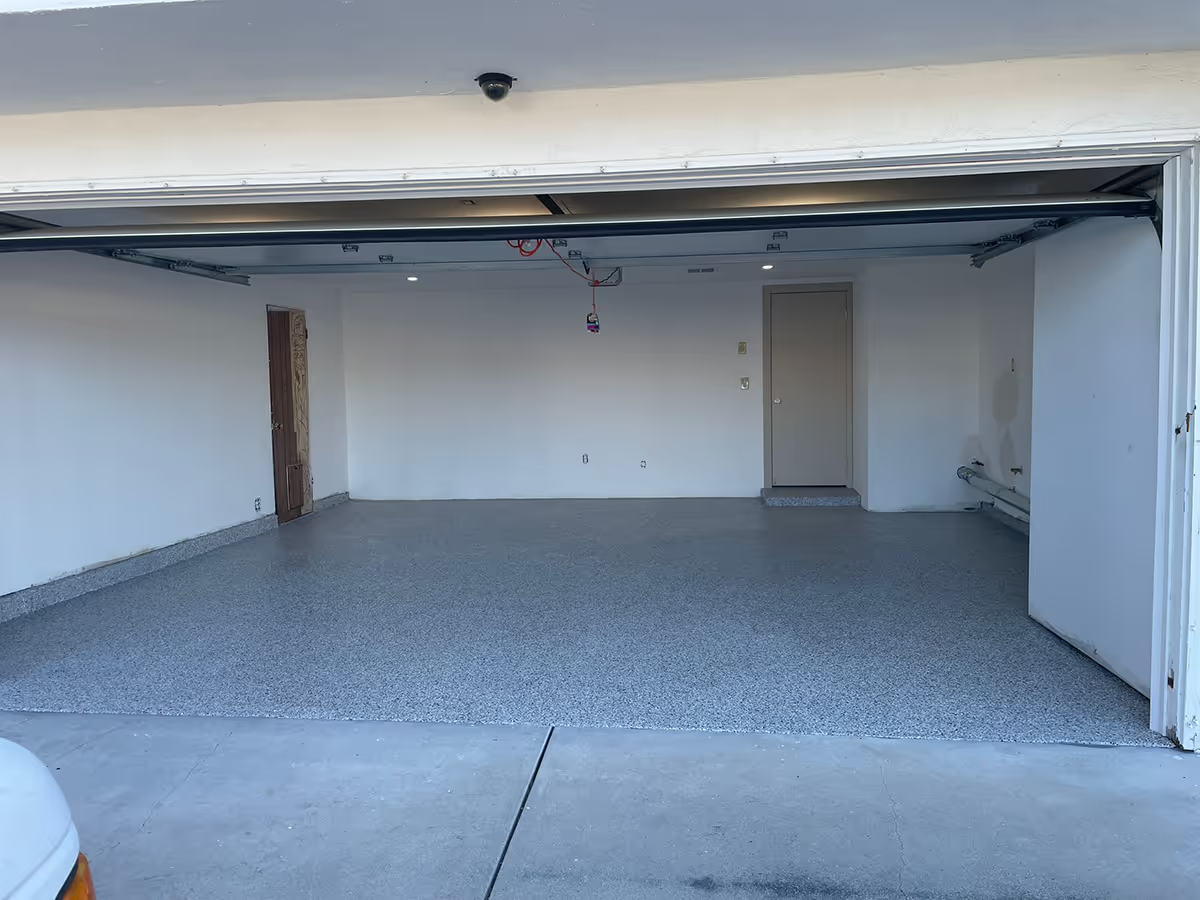

The number turns on two things above all. First is how much floor there is, and Valley bays we measure generally come in somewhere between 450 and 700 square feet. Second is the condition the concrete is in, because good concrete needs grinding and nothing further, while a beaten slab needs cutting, packing and grinding again before any base coat is justified. Budget $5 to $7 per square foot on a garage in this area, a two-car bay being a single day of work.
Your choice of epoxy finish moves it too. Solid color is the least involved to install, metallic asks the most of us, and flake sits comfortably between the two. So does the resin you seal with. Polyaspartic goes hard in hours rather than over days, which is exactly what hands the bay back the same evening, and it will not amber under light the way an epoxy top coat eventually does. Every figure we give is read off your slab and nothing else.
Our rating stands at 5.0 across more than 120 reviews and the diary usually runs a couple of weeks ahead. Measure the bay, take a picture of the floor as it is right now, and send them across, or call (818) 359-3932. What comes back is a real epoxy or polyaspartic quote for your garage, not a bracket lifted off a website.
GET A FREE Estimate
Please give us a call or fill in our contact form to receive more information about our flooring services.
For instant reply you can call us, text us, or connect with us on social media.

