Before a figure is written, two questions get answered on site. One is what is on the concrete now, and the honest answer is usually that the tile or the vinyl lifts easily and the adhesive under it does not, which is where the preparation time actually goes. The other is how warm the room runs. A shop, a laundry, a sunroom or a bay that was taken into the house will sit close to freezing on a January morning and climb hard by an August afternoon, and epoxy is a chemical reaction: cold slows it down, heat speeds it up, and both change how long you stay off the floor. Once those are known the grinder comes out, run with vacuum extraction because there are people living around the work. Cracks and old failed repairs are cut back and refilled. If the meter says the slab is damp underneath, an epoxy vapor barrier goes onto the bare concrete before anything decorative, because moisture still on the move will push a floor off no matter what was paid for it.
Above that, the floor is three passes. First a pigmented base into the opened concrete, epoxy or polyaspartic, chosen against the calendar and against how cold that particular slab is running. Flake or color goes in while the base is still wet, and a clear polyaspartic top closes everything and does the wearing afterwards. We work room by room so the household keeps functioning around us, and the finished floor takes feet the same evening and furniture some while after. Both of those numbers move with slab temperature, which is why an unheated Sunland shop in midwinter is a slower job than the same room in June. Polyaspartic pulls both waits in and is a good deal less fussy about the temperature it goes down at. The three passes never vary; only the timing does.
What goes underneath and what goes on top are decided already. Your choice is the layer sandwiched between them, and it is the one you will be looking at for years. Tones and chip blends resolve much faster with a sample in your hand than they ever do on a screen.
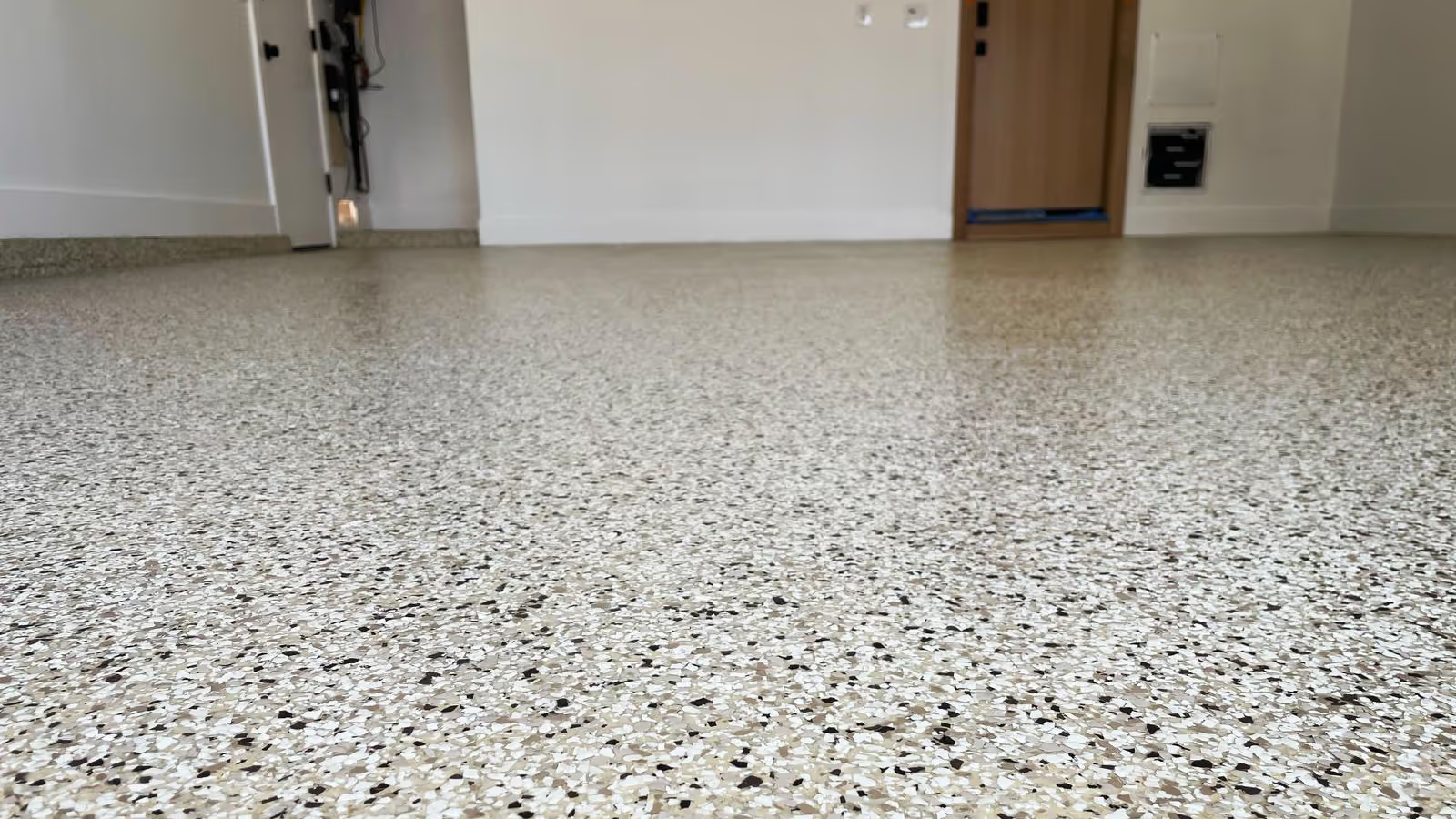
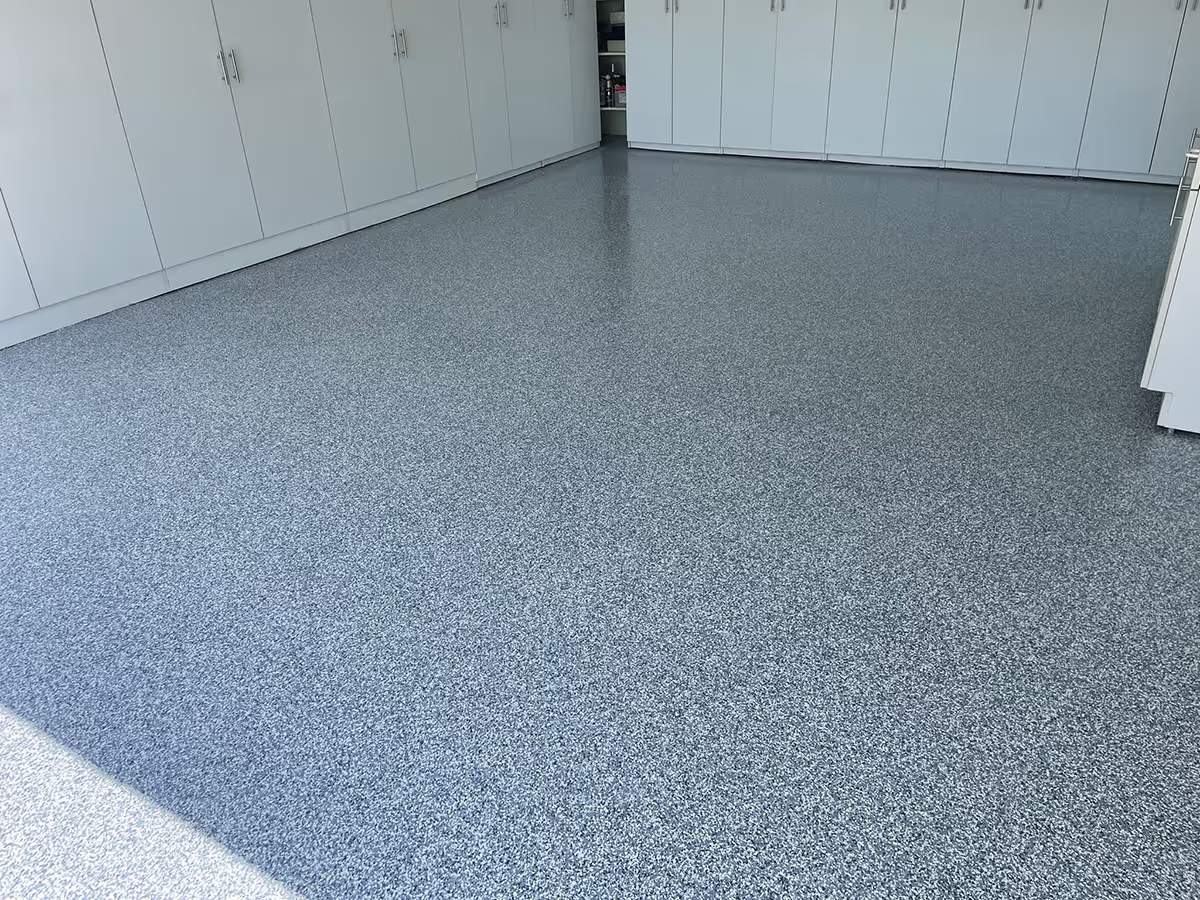
Flake means chips thrown into the wet epoxy and sealed over, and the resulting surface hides an enormous amount. In a laundry, a hallway or a working shop that is exactly what you want, because dust and scuffing stop being visible events. It is also the most forgiving finish to put over concrete that has been repaired, since a busy blend simply outshouts whatever is underneath. Past the door into the garage the demands change again, because that slab carries a vehicle and everything that drips off one.
One color, wall to wall, stops reading as a treated slab and starts reading as a floor somebody chose. Studios, showrooms and consulting rooms are where it belongs. The trade is honesty: flat epoxy will not disguise a ripple, a seam or a repair, so it rewards concrete that was prepared properly and punishes concrete that was not. Where the slab is sound, nothing else we lay looks as clean.
Metallic pigment is suspended in the epoxy and worked by hand while it cures, so the result is decided on the day and cannot be shown to you beforehand. That makes it wrong for a laundry and right for a room where the floor is meant to be part of the design. It turns up mostly in entrances, bars and studios, and it needs concrete in good order under it.
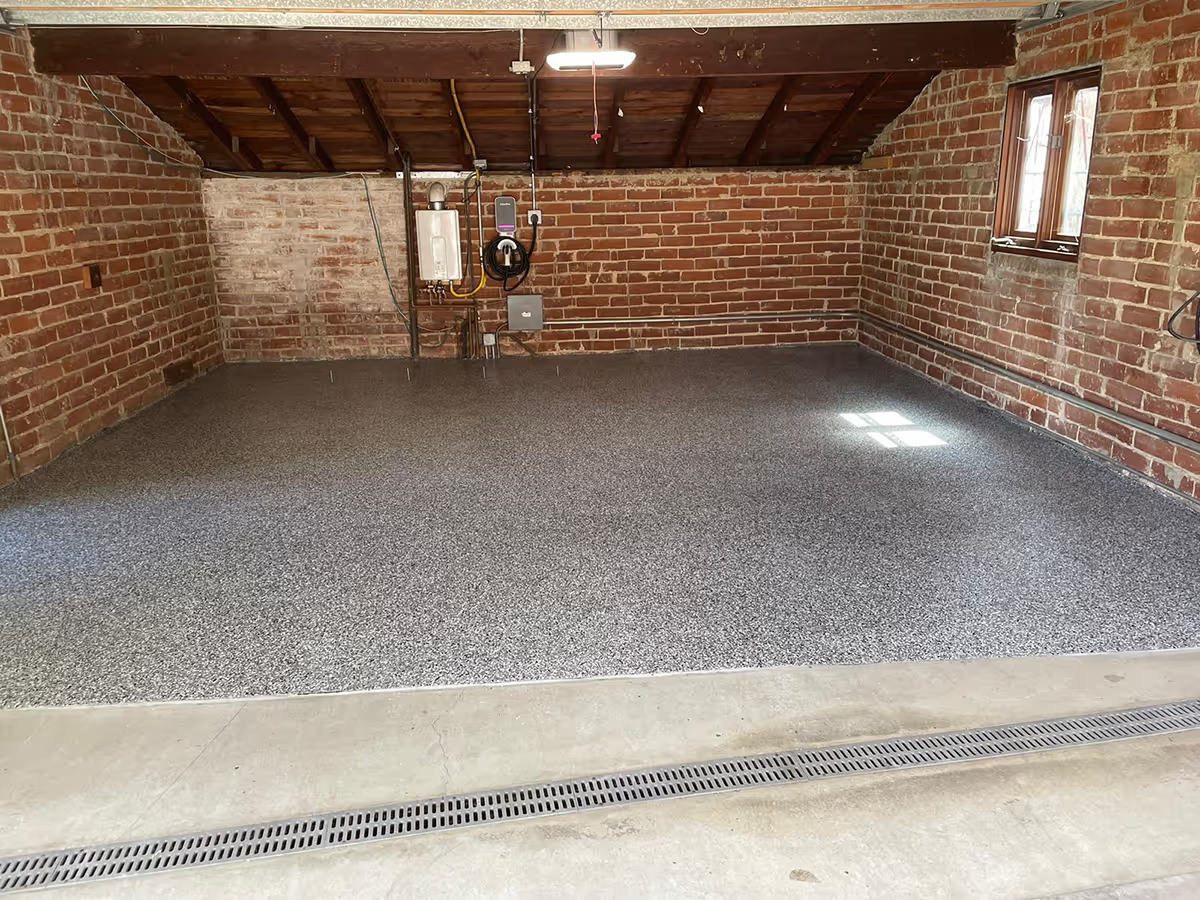

Three answers produce an interior quote: what is currently down, which epoxy or polyaspartic build replaces it, and whether the room should be coated at all. Two of those are read off the concrete, not off a rate card.
Floor area sets the opening figure and then hands over to everything else. Rooms have edges, and every threshold, corner, doorway and cabinet line is cut in by hand, so the same square footage split across five small rooms costs more than one open space. What has to come off matters as well: sheet vinyl is an afternoon, thickset tile can eat a whole day. And where a slab has genuinely settled rather than simply worn, getting it flat again is separate work and appears on the quote as such.
Most interiors get an epoxy base under a polyaspartic seal, and that is the least expensive way to a finished floor. Polyaspartic throughout costs more and returns the room quicker, which is the argument in a space that cannot be shut for a week, and it is also what we specify when a slab is cold enough to hold epoxy back. Metallic sits above both, because a hand-worked epoxy floor takes the time it takes.
Some rooms should not be coated, and the estimate is the cheap moment to find that out. If the concrete is flat, sound and clean already, polishing it costs less and leaves nothing on top to chip. If there is a wood subfloor under the room, epoxy has nothing to bond to and no price makes that work. And if the slab is pushing moisture upward, that is dealt with first, or the new floor lifts and the material gets blamed for it.
Answer those three and the estimate becomes a figure rather than a range. Interior epoxy work in Sunland generally comes out at $5 to $7 per square foot, and a single room is normally one day on site. Our rating is 5.0 from 120+ reviews and the calendar usually runs a couple of weeks or so ahead, though this is the town we work out of, so a Sunland job is easier to slot in. Send the room dimensions and a photo of the floor as it stands, or call (818) 359-3932.
GET A FREE Estimate
Please give us a call or fill in our contact form to receive more information about our flooring services.
For instant reply you can call us, text us, or connect with us on social media.

